
Retroactive Pay for Caregivers: How to Get Paid for Past Family Care Services
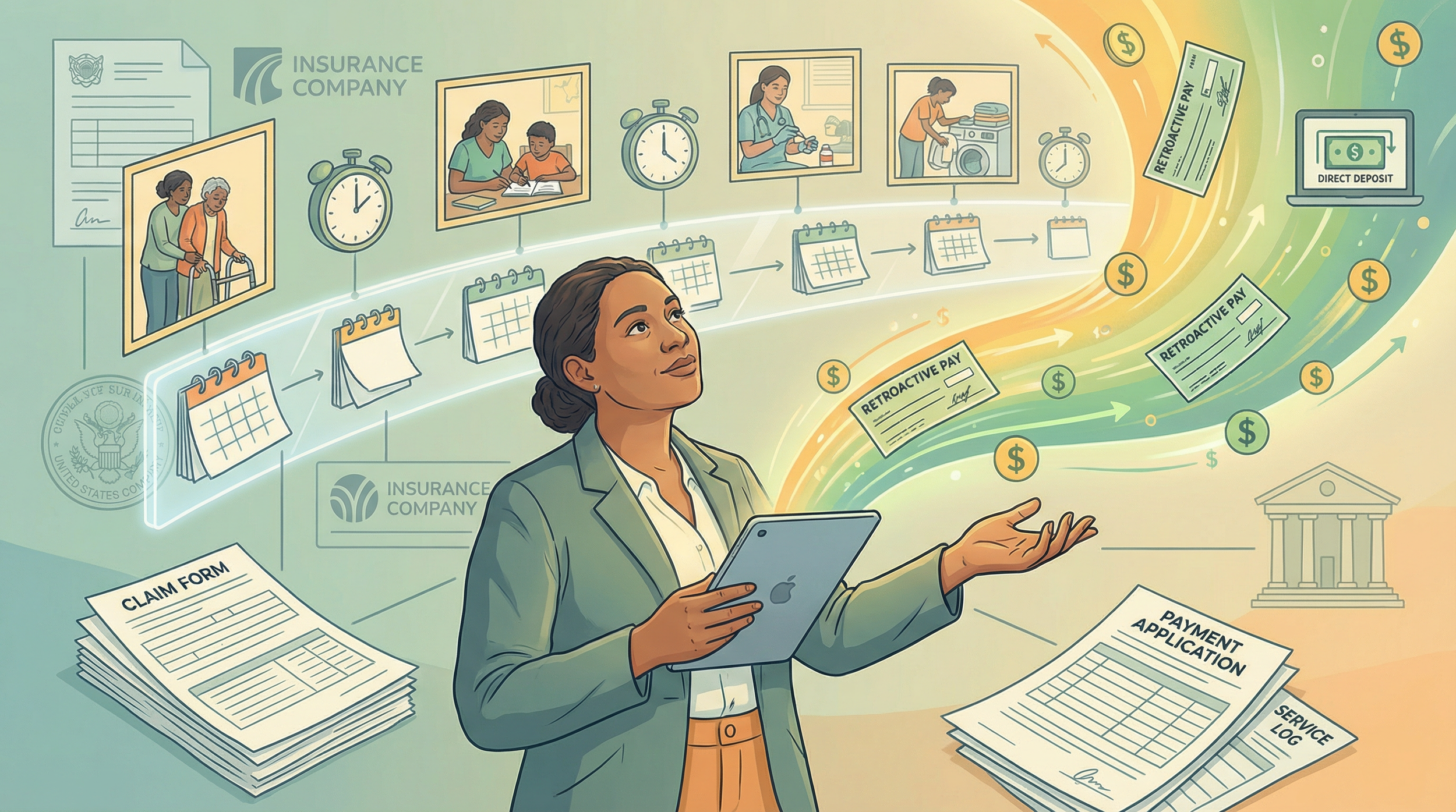
Navigating the complexities of caregiver compensation can be daunting, especially when it comes to retroactive pay for services rendered in the past. This article will explore the concept of retroactive pay for caregivers, detailing its feasibility and the various government programs that may offer such compensation. Many caregivers are unaware that they may be eligible for back pay for the invaluable support they provide to family members or friends. Understanding the mechanisms behind retroactive pay can empower caregivers to seek the compensation they deserve. We will cover essential topics, including eligibility criteria, the application process, and the legal considerations surrounding retroactive payments.
What Is Retroactive Pay for Caregivers and Is It Possible?
Retroactive pay for caregivers refers to compensation for services provided in the past, often due to the delayed recognition of caregiving roles by government programs. This type of payment is possible under certain conditions, primarily through state Medicaid programs and other government assistance initiatives. Caregivers may find themselves eligible for back pay if they can demonstrate that they have met the necessary criteria set forth by these programs.
What Does Retroactive Caregiver Pay Mean?
Retroactive caregiver pay means that caregivers can receive financial compensation for the care they provided before they were officially recognized as eligible for payment. This compensation can be crucial for those who have dedicated significant time and resources to support their loved ones. For example, if a family member has been providing care for an elderly parent without financial support, they may qualify for retroactive payments once they apply for Medicaid or similar programs, depending on state rules.
Which Government Programs Offer Retroactive Caregiver Payments?
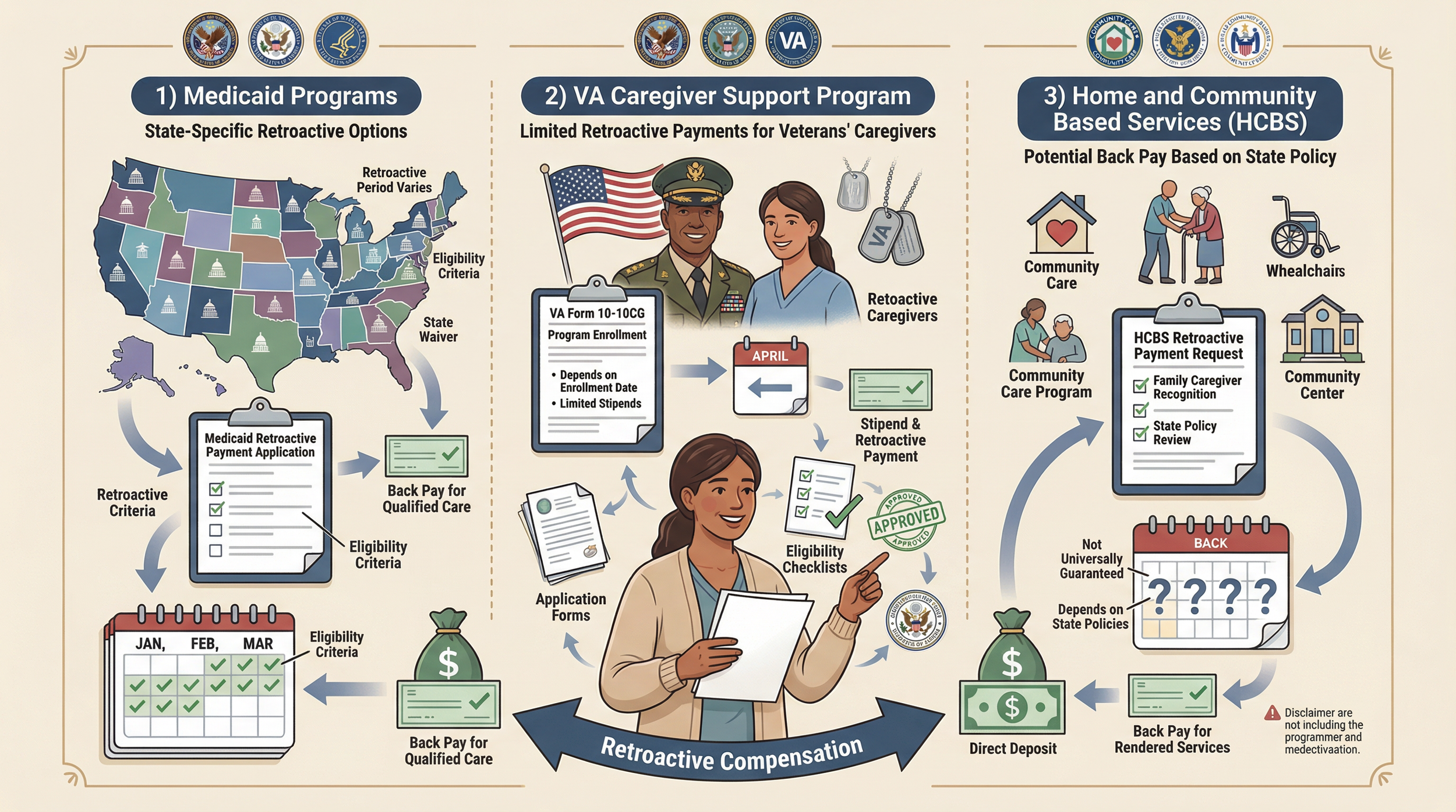
Several government programs provide opportunities for retroactive caregiver payments. These include:
Medicaid Programs: Many states offer Medicaid programs that allow for retroactive payments to caregivers who meet specific eligibility criteria, though the availability and extent of retroactive pay vary by state.
VA Caregiver Support Program: This program provides stipends to eligible caregivers of veterans, but retroactive payments are generally limited and depend on the date of program enrollment and eligibility.
Home and Community Based Services (HCBS): Some states have HCBS programs that recognize family caregivers and may offer back pay for services rendered, but retroactive payments are not universally guaranteed and depend on state-specific policies.
Understanding these programs is essential for caregivers seeking compensation for their past efforts.
Who Is Eligible for Retroactive Caregiver Pay?
Eligibility for retroactive caregiver pay varies by program and state, but generally includes specific criteria that caregivers and care recipients must meet.
Which Family Members and Caregivers Can Receive Back Pay?
Typically, family members such as spouses, children, or siblings who provide care can qualify for retroactive pay if the program allows it. Additionally, non-family caregivers, such as friends or hired aides, may also be eligible if they meet the program requirements. The key is to establish a formal caregiver agreement or meet program-specific documentation requirements that outline the caregiving relationship and responsibilities.
What Are the Care Recipient Requirements for Retroactive Payments?
Age: The care recipient is usually required to be elderly or disabled.
Disability Status: Documentation of the care recipient's disability may be necessary.
Need for Care: The care recipient must demonstrate a need for assistance with daily living activities.
How Does Medicaid Retroactive Pay Work for Caregivers?
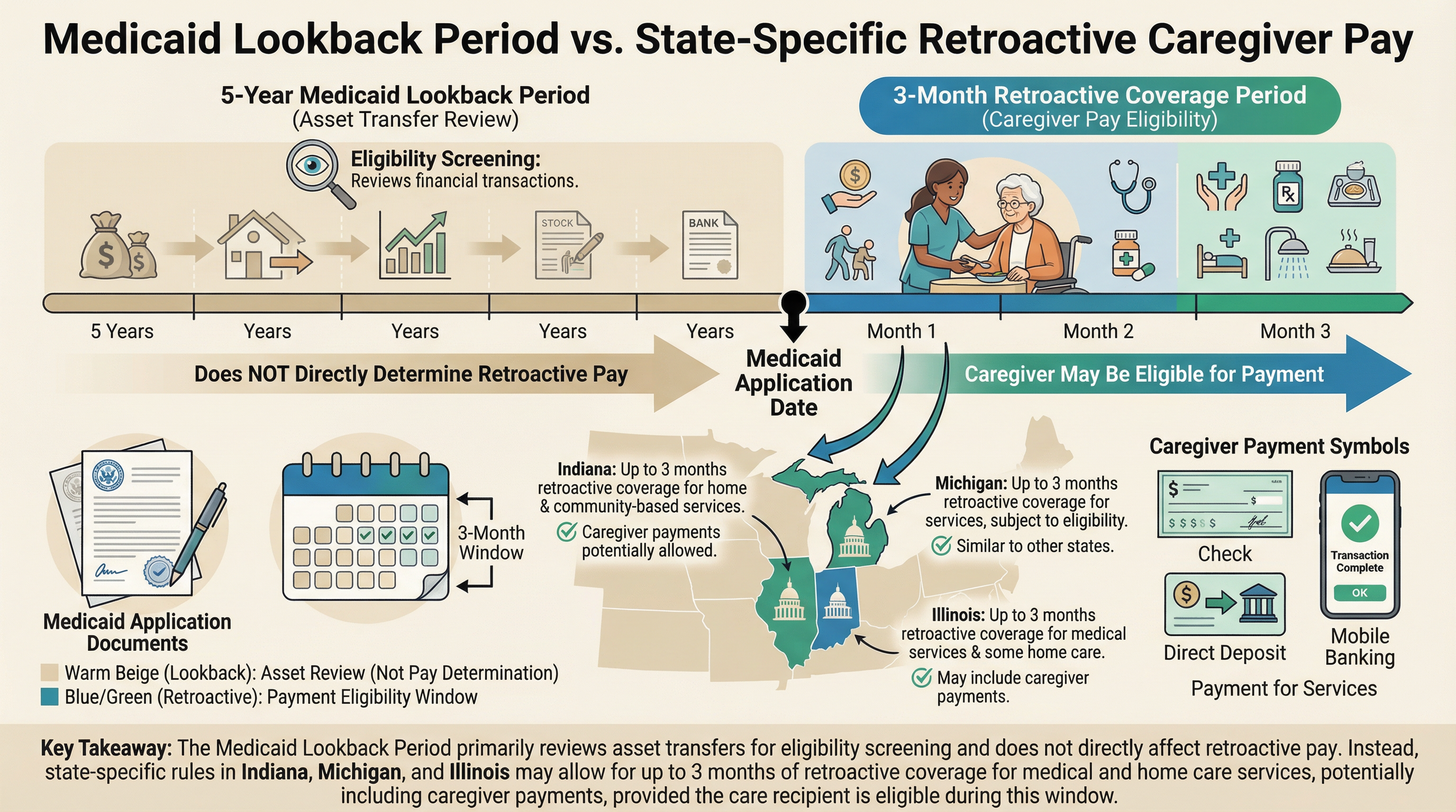
Medicaid retroactive pay is a critical aspect of caregiver compensation, allowing for payments to be made for services rendered prior to the application date, typically up to three months before the application, depending on the state.
What Is the Medicaid Lookback Period and How Does It Affect Caregiver Pay?
The Medicaid lookback period is a specified timeframe during which Medicaid reviews the financial transactions of applicants to prevent asset transfers for eligibility purposes. This period typically spans five years. However, the lookback period does not directly determine retroactive caregiver pay eligibility. Instead, Medicaid allows for retroactive coverage of medical services, including some home care, for up to three months prior to the application date. Caregivers may be eligible for payment for services provided during this retroactive coverage period if the care recipient qualifies.
What Are State-Specific Medicaid Retroactive Pay Programs in Indiana, Michigan, and Illinois?
Indiana: Medicaid may cover home and community-based services retroactively for up to three months prior to application, potentially allowing caregiver payments for that period.
Michigan: Similar to other states, Medicaid may provide retroactive coverage for services up to three months before application, subject to eligibility.
Illinois: Medicaid offers retroactive coverage for medical services, including some home care, for up to three months prior to application, which may include caregiver payments.
Understanding these state-specific programs is crucial for caregivers seeking financial support.
What Are VA and Other Government Programs for Caregiver Back Pay?
The VA and other government programs play a significant role in providing financial support to caregivers.
How Does the VA Caregiver Support Program Provide Retroactive Stipends?
The VA Caregiver Support Program offers monthly stipends to eligible caregivers of veterans, but retroactive payments are generally limited to the period after the caregiver's application and approval date. Retroactive payments for caregiving services provided before enrollment are not commonly granted.
Are There Retroactive Benefits Through Paid Family Leave and Consumer-Directed Care?
In addition to VA programs, some states offer paid family leave that may provide benefits for recent caregiving, but retroactive benefits for periods before the leave claim are typically not available. Consumer-directed care programs allow caregivers to receive compensation for services provided, but retroactive payments depend on state policies and program rules and are not guaranteed.
What Is the Application Process to Secure Retroactive Caregiver Payments?
The application process for securing retroactive caregiver payments can be complex but is essential for obtaining the compensation owed.
How Do You Check Eligibility and Start the Application?
To check eligibility, caregivers should first review the specific requirements of the relevant government programs. This often involves gathering documentation that proves the caregiving relationship and the care provided. Once eligibility is confirmed, caregivers can begin the application process by filling out the necessary forms and submitting them to the appropriate agency.
What Documentation Is Required for Retroactive Caregiver Back Pay?
Caregiver Agreements: Formal agreements outlining the caregiving relationship.
Medical Documentation: Proof of the care recipient's condition and need for assistance.
Financial Records: Any records that demonstrate the caregiver's financial contributions or expenses related to caregiving.
Having these documents ready can streamline the application process and improve the chances of approval.
What Are the Legal and Financial Considerations of Retroactive Caregiver Pay?
Understanding the legal and financial implications of retroactive caregiver pay is crucial for caregivers seeking compensation.
How Do Caregiver Agreements Affect Retroactive Compensation?
Caregiver agreements are essential for establishing the terms of the caregiving relationship. These agreements can significantly impact the ability to secure retroactive compensation, as they provide a formal record of the services rendered and the expectations of both parties.
Are Retroactive Caregiver Payments Taxable?
In many cases, retroactive caregiver payments may be considered taxable income. Caregivers should consult with a tax professional to understand their obligations and ensure compliance with tax laws. This consideration is vital for financial planning and managing the implications of receiving back pay.
In conclusion, understanding the intricacies of retroactive pay for caregivers is essential for those who have provided care to family members or friends. By navigating the eligibility requirements and application processes of various government programs, caregivers can secure the compensation they deserve for their invaluable contributions.
FAQs
-
If your parent is paying with their own private funds and has no intention of applying for Medicaid in the next five years, they generally can. However, if Medicaid is in their future, this is extremely risky. Medicaid caseworkers typically view any care provided without a prior written contract as services provided out of "love and affection" (for free). Consequently, they will classify a retroactive lump sum payment as a "gift" or a transfer of assets, which will likely trigger a penalty period and disqualify your parent from benefits.
-
It is difficult to fix this after the fact. Some elder law attorneys might attempt to use a promissory note or a "Quantum Meruit" (fair market value for services rendered) argument, but these are complex and often fail without clear prior intent. The safest route is to stop trying to recoup past losses and immediately sign a prospective Personal Care Agreement to ensure all future care is compensated legally.
-
Yes. The IRS views this money as earned income, not a gift. If you receive a lump sum of $20,000 for past care, that entire amount is taxable income in the year you receive it. You and your parent must handle the necessary payroll taxes (Social Security/Medicare) and issue a W-2 or 1099, depending on the employment structure. Failure to do so can look like tax evasion or a hidden gift.
-
You cannot pay yourself a current CEO rate for past caregiving duties. To survive an audit (by the IRS or siblings), the retroactive rate must match the fair market value of care at the time the service was delivered in your specific geographic area. You would need to check what home health agencies were charging hourly in that specific year (e.g., 2023 or 2024) and use a comparable or slightly lower rate.
-
Documentation is your only defense against accusations of fraud or inheritance theft. If you lack timesheets, you must reconstruct a "care log" using other evidence: calendar entries, medical appointment records (showing you drove them), pharmacy receipts, and GPS history. Without this reconstruction, a lump sum payment looks suspicious to government agencies and family members alike.

