
Navigating Caregiver Guilt and Financial Support: Understanding the Paycheck Pivot

Caregiving is a noble and often challenging role, yet many caregivers experience guilt when receiving financial compensation for their efforts. This phenomenon, known as "paycheck pivot," can stem from various emotional and cultural factors. In this article, we will explore the underlying causes of caregiver guilt, the financial support available through "Medicaid programs", and effective coping strategies for caregivers. By understanding these aspects, caregivers can navigate their feelings and find balance in their roles. We will also discuss specific Medicaid programs in Indiana, Michigan, and Illinois, as well as resources for financial assistance and mental health support.
What Causes Caregiver Guilt After Getting Paid?
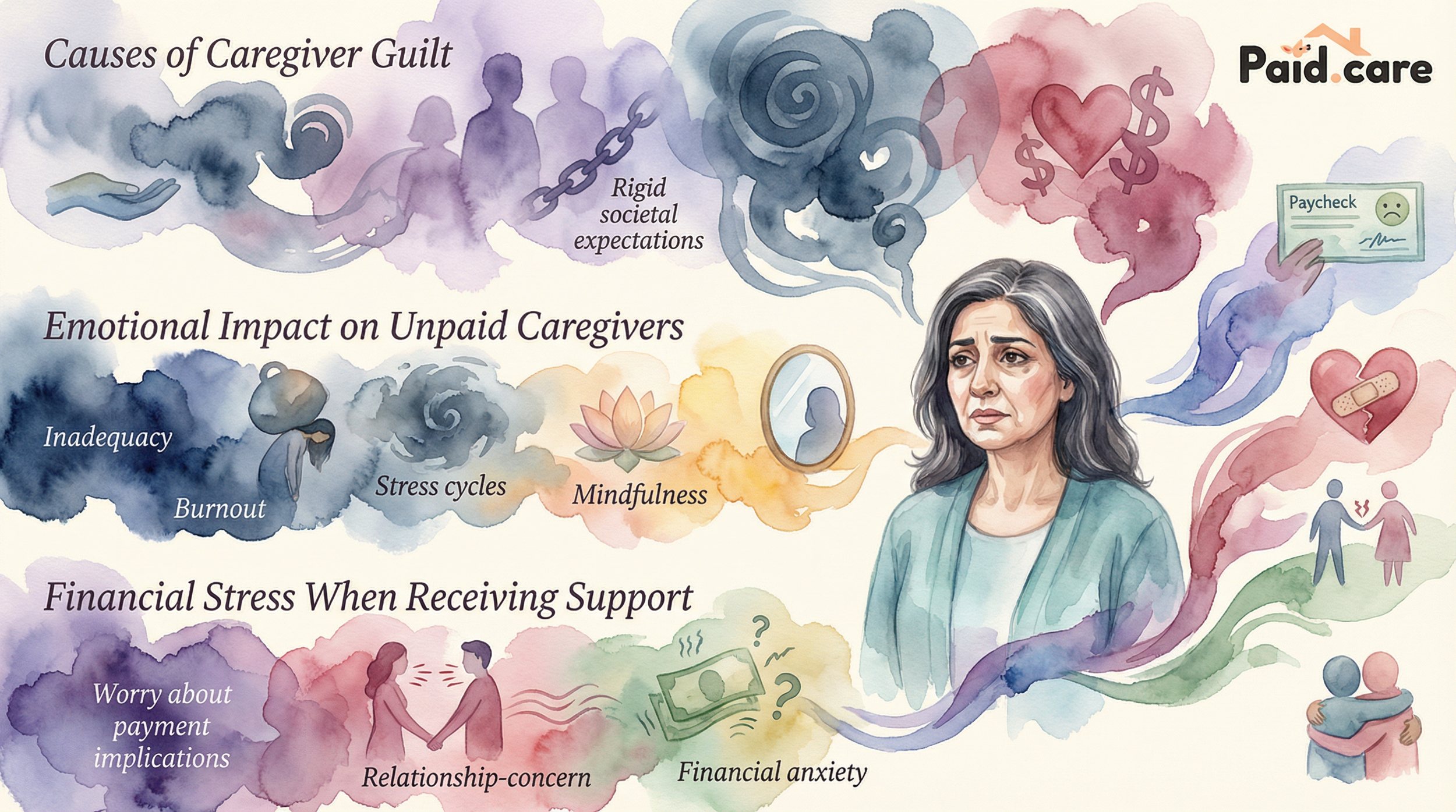
Caregiver guilt often arises from the emotional complexities associated with receiving payment for caregiving services. Many caregivers feel that their role should be altruistic, leading to internal conflict when they accept financial support. This guilt can be exacerbated by societal expectations and cultural perceptions that frame caregiving as a selfless act. Understanding these emotional impacts is crucial for caregivers to address their feelings and find peace in their roles.
Research further emphasizes the pervasive nature of caregiver guilt and its impact on psychological well-being.
Understanding Caregiver Guilt and Financial Support for Families of caregiver guilt, as well as to explore the effect of caregiver burden on the psychological well-being of family caregivers. It is well-established that family caregivers will experience negative emotions such as guilt. In this study, participants rated the survey as emotional support, financial support, symptom management, and practical support. Family caregivers and guilt in the context of cancer care, Y Kim, 2008
How Does Emotional Impact Affect Unpaid Caregivers?
The emotional toll on unpaid caregivers can be significant, often leading to feelings of inadequacy and guilt. Caregivers may struggle with the notion that they should be providing care out of love rather than for financial gain. This mindset can create a cycle of stress and burnout, making it essential for caregivers to recognize and manage their emotions effectively. Strategies such as mindfulness and self-reflection can help caregivers process their feelings and reduce guilt.
Why Do Caregivers Feel Financial Stress When Receiving Support?
Financial stress is a common concern among caregivers, particularly when they begin to receive compensation for their services. Many caregivers worry about the implications of accepting payment, fearing it may change their relationships with those they care for. Additionally, the financial burden of caregiving can lead to anxiety about personal finances, making it vital for caregivers to seek resources and support to manage their financial responsibilities effectively.
Which Medicaid Programs Support Caregivers in Indiana, Michigan, and Illinois?
Medicaid programs play a crucial role in supporting caregivers by providing financial assistance and resources. In states like Indiana, Michigan, and Illinois, various Medicaid programs are designed to help caregivers manage their responsibilities while receiving necessary support.
What Are Medicaid Waivers and How Do They Help Caregivers?
Medicaid waivers are programs that allow states to provide services to individuals who require long-term care while remaining in their homes. These waivers can help caregivers by covering costs associated with in-home care, respite services, and other essential support. By alleviating some of the financial burdens, Medicaid waivers enable caregivers to focus on providing quality care without the added stress of financial strain.
Specifically, studies highlight how Medicaid waivers in states like Illinois offer crucial support, including compensation and respite services for family caregivers.
Illinois Medicaid: Compensation & Support for Family Caregivers For example, in Illinois, Medicaid waivers allow resources such as respite services and compensation for family caregivers with the intention that such support to caregivers can reduce Towards realizing the value of the CARE Act: How do we effectively support family caregivers in Illinois?, M Raj, 2025
How to Determine Medicaid Eligibility for Caregivers in These States?
Determining "Medicaid eligibility" can be a complex process, but understanding the criteria is essential for caregivers seeking support. Eligibility typically depends on factors such as income, assets, and the level of care required. Caregivers in Indiana, Michigan, and Illinois can access resources and assistance to navigate the eligibility process, ensuring they receive the support they need.
How Can Caregivers Cope With Paycheck Guilt Effectively?
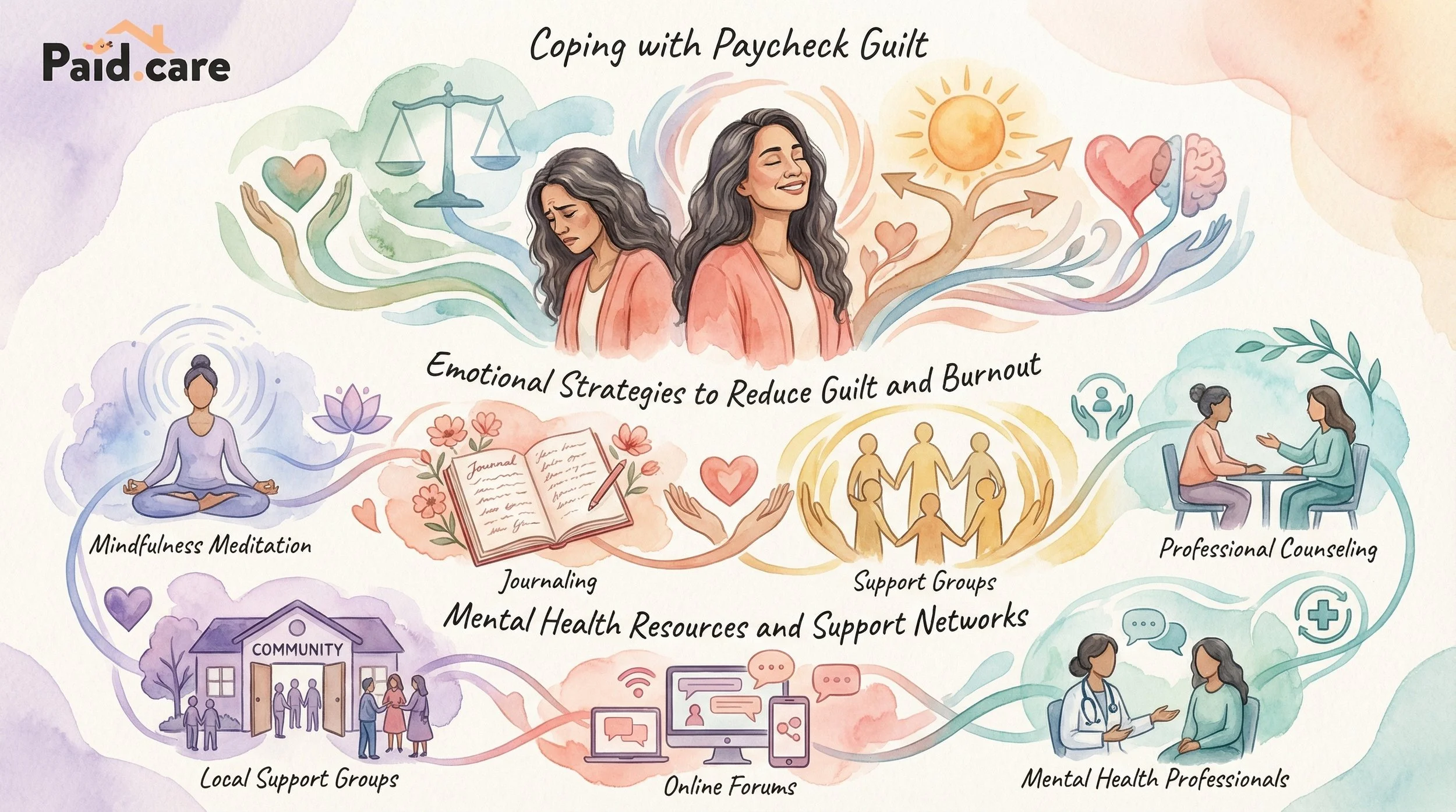
Coping with paycheck guilt requires a multifaceted approach that addresses both emotional and practical aspects of caregiving. By implementing effective strategies, caregivers can manage their feelings and maintain a healthy balance between their caregiving responsibilities and personal well-being.
What Emotional Strategies Reduce Guilt and Burnout?
Several emotional strategies can help caregivers reduce feelings of guilt and prevent burnout. Techniques such as mindfulness meditation, journaling, and engaging in support groups can provide caregivers with the tools they need to process their emotions. Additionally, seeking professional counseling can offer valuable insights and coping mechanisms tailored to individual needs.
Where to Find Mental Health Resources and Support Networks?
Accessing "mental health resources" and support networks is vital for caregivers dealing with guilt and stress. Local support groups, online forums, and mental health professionals can provide caregivers with the necessary support and guidance. By connecting with others who share similar experiences, caregivers can find solace and understanding in their journeys.
What Financial Assistance and Counseling Are Available for Unpaid Caregivers?
Financial assistance programs are essential for unpaid caregivers, helping them manage the costs associated with caregiving. Various resources are available to support caregivers in Indiana, Michigan, and Illinois, ensuring they receive the financial help they need.
How to Access Financial Support Programs in Indiana, Michigan, and Illinois?
Accessing financial support programs can be a straightforward process if caregivers know where to look. Many state-specific programs offer assistance for caregivers, including grants, subsidies, and counseling services. Caregivers should research available options and reach out to local agencies for guidance on the application process.
Further research underscores the significant role of Medicaid waivers in alleviating caregiver burden through various services, particularly in states like Illinois.
Reducing Caregiver Burden with Illinois Medicaid Waivers In a study of 206 female caregivers from Illinois, the prevalence of arthritis, high blood pressure, and diabetes was higher than in the general population. Medicaid waivers may improve caregiver burden through respite care; home modifications; and personal care services, which can help alleviate the physical and emotional demands of caregiving. Medicaid long‐term services and supports and caregiving needs of caregivers of individuals with intellectual and developmental disabilities, 2024
What Are Best Practices for Balancing Employment and Caregiving?
Balancing employment and caregiving responsibilities can be challenging, but implementing best practices can help caregivers manage their time effectively. Strategies such as setting clear boundaries, prioritizing self-care, and utilizing community resources can empower caregivers to maintain a healthy work-life balance. By adopting these practices, caregivers can ensure they meet their personal and professional obligations while providing quality care.
FAQs
-
The Paycheck Pivot refers to the transition a family member makes when they shift from traditional employment to becoming a paid caregiver for a loved one. This often involves utilizing state-funded programs, like Medicaid’s self-directed care options, to receive a stipend or hourly wage for the essential care they are already providing.
-
Many caregivers feel like they are "monetizing love" or that they shouldn't be paid for something "family just does." This guilt is a natural response to changing a personal relationship into a professional one. However, the pivot is actually a tool for sustainability; it prevents caregiver burnout and ensures the loved one can remain at home rather than moving to a facility.
-
The most common route is through Medicaid’s Home and Community-Based Services (HCBS) waivers, which vary by state (such as CDPAP in New York or IHSS in California). Other options include Veterans Affairs (VA) caregiver programs, long-term care insurance policies with family-pay clauses, or private family contracts where the loved one pays the caregiver directly from their own savings.
-
The key is setting clear boundaries and documentation. Keep caregiving tasks separate from "family time" when possible, and maintain a rigorous log of hours worked and tasks performed. This professional approach doesn't just help with Medicaid compliance—it also helps quiet the internal guilt by validating that the work you are doing has real, measurable value.

