
Caregiver Support Resources: How to Find and Benefit from Support Groups for Caregivers
Caregiving can be a rewarding yet challenging experience, often leading to feelings of isolation and stress. Support groups for caregivers provide a vital resource, offering emotional support, practical advice, and a sense of community. This article explores the various types of caregiver support groups, their benefits, and how caregivers can access these resources effectively. We will also discuss Medicaid caregiver programs in Indiana, Michigan, and Illinois, mental health services available for caregivers, and ways to find local and online support networks. By understanding these resources, caregivers can better manage their responsibilities and maintain their well-being.
What Are Caregiver Support Groups and How Can They Help?
Caregiver support groups are designed to provide a safe space for individuals caring for loved ones to share their experiences, challenges, and solutions. These groups foster a sense of community and understanding, allowing caregivers to connect with others who face similar situations. The primary benefit of these groups is the emotional support they offer, which can significantly alleviate feelings of loneliness and stress.
Understanding Different Types of Caregiver Support Groups
There are various types of caregiver support groups available, each catering to different needs:
Peer Support Groups: These groups consist of caregivers who share their experiences and provide mutual support. They often meet regularly, either in person or online, allowing for ongoing connection and encouragement.
Counseling Support Networks: These groups are facilitated by professionals who guide discussions and provide expert advice on managing caregiver stress and emotional challenges. They may include workshops and educational sessions to enhance coping strategies.
By participating in these groups, caregivers can gain valuable insights and practical tips for managing their responsibilities more effectively.
Benefits of Joining Peer and Counseling Support Networks
Joining caregiver support networks offers numerous advantages, including:
Emotional Support: Caregivers can express their feelings and receive validation from others who understand their struggles.
Practical Advice: Members often share tips and strategies that have worked for them, providing practical solutions to common challenges.
Increased Resilience: Regular participation in support groups can help caregivers build resilience, reducing the risk of burnout and improving overall mental health.
These benefits highlight the importance of seeking support and connecting with others in similar situations.

How Do Medicaid Caregiver Programs Support Caregivers in Indiana, Michigan, and Illinois?
Medicaid caregiver programs play a crucial role in supporting caregivers by providing financial assistance and respite care. These programs are designed to alleviate some of the burdens associated with caregiving, allowing caregivers to focus on their loved ones' needs while also taking care of their own well-being.
Eligibility Criteria for Medicaid and Medicaid Waivers in These States
To qualify for Medicaid caregiver programs in Indiana, Michigan, and Illinois, caregivers must meet specific eligibility criteria, which generally include:
Income Limits: Caregivers must demonstrate financial need based on income thresholds set by the state.
Care Recipient Requirements: The individual receiving care must meet certain medical and functional criteria to qualify for Medicaid services.
Understanding these criteria is essential for caregivers seeking assistance through Medicaid programs.
How Medicaid Waivers Cover Respite and Financial Assistance
Medicaid waivers provide various forms of support, including:
Respite Care: This service allows caregivers to take a break while ensuring their loved ones receive care from qualified professionals.
Financial Assistance: Medicaid waivers can help cover costs associated with caregiving, such as home modifications, medical supplies, and transportation services.
These resources are invaluable for caregivers, helping them manage their responsibilities while maintaining their health and well-being.
What Mental Health and Counseling Services Are Available for Caregivers?
Mental health services are essential for caregivers, as they often face significant emotional and psychological challenges. Accessing these services can provide caregivers with the tools they need to cope with stress and maintain their mental health.
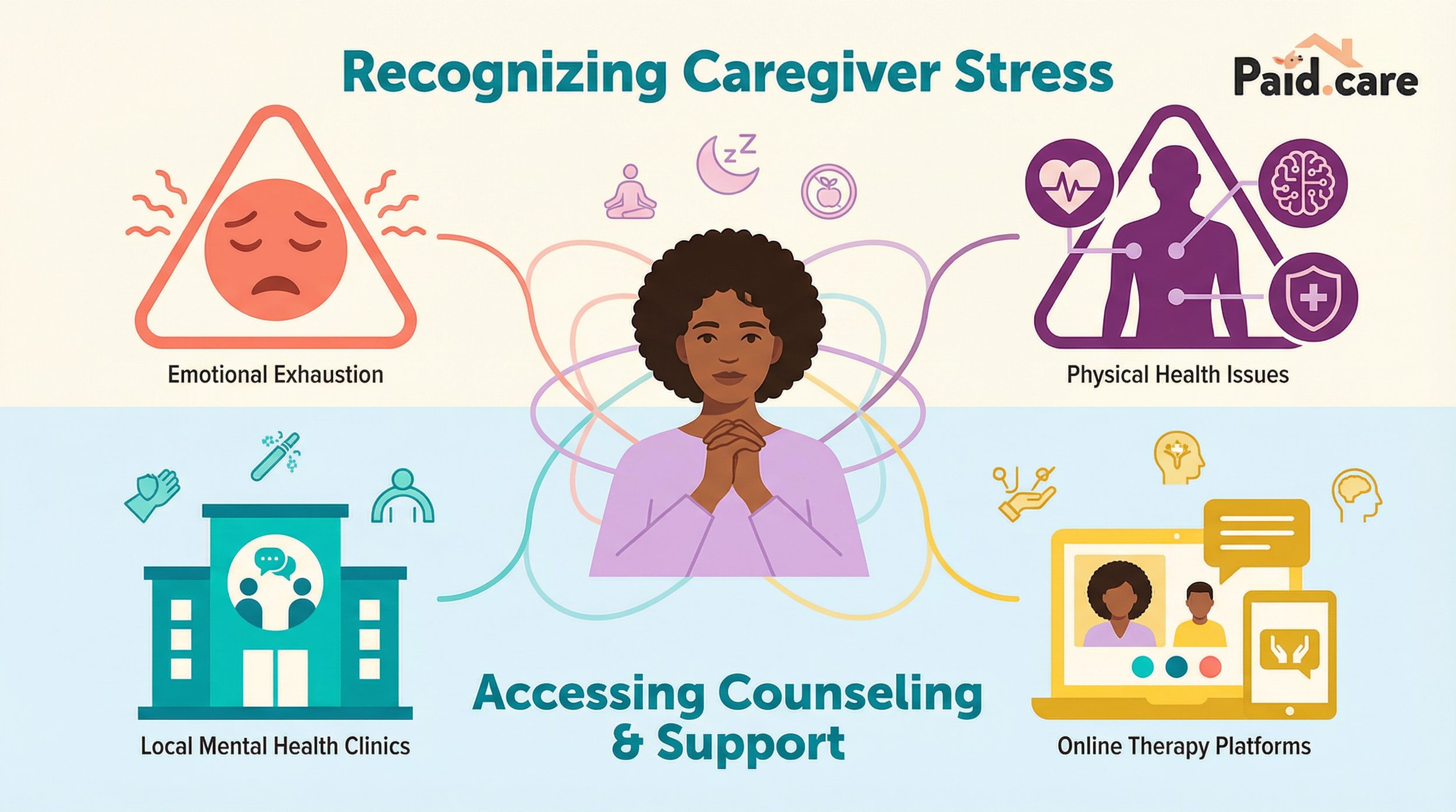
Recognizing Caregiver Stress and Its Impact
Caregiver stress can manifest in various ways, including:
Emotional Exhaustion: Constant caregiving can lead to feelings of fatigue and burnout.
Physical Health Issues: Chronic stress may contribute to health problems such as hypertension, weakened immune function, and depression.
Recognizing these signs is the first step toward seeking help and support.
The profound emotional and psychological toll on caregivers is a well-documented concern, with research underscoring the urgent need for practical solutions.
Caregiver Mental Health: Impacts & Solutions While there are many benefits to caregiving for a family member, there are also detrimental emotional and mental health impacts of caregiving that are increasingly being identified and for which practical solutions are urgently needed [3,6,7]. Impact of internet-based interventions on caregiver mental health: systematic review and meta-analysis, D Sherifali, 2018
Accessing Caregiver Counseling and Emotional Support Resources
Caregivers can access counseling services through various channels, including:
Local Mental Health Clinics: Many communities offer counseling services specifically for caregivers.
Online Therapy Platforms: Virtual counseling options provide flexibility and accessibility for caregivers who may have difficulty attending in-person sessions.
These resources can help caregivers manage their stress and improve their overall mental health.
How Can Caregivers Access Local and Online Support Networks?
Finding support networks is crucial for caregivers seeking assistance and community. There are several ways to access both local and online resources.
Finding In-Person Support Groups in Your Community
To locate in-person support groups, caregivers can:
Contact Local Hospitals: Many hospitals offer support groups for caregivers as part of their community outreach programs.
Reach Out to Nonprofit Organizations: Organizations focused on caregiving often have resources and information about local support groups.
These avenues can help caregivers connect with others in their area.
Utilizing Online Disability and Elderly Caregiver Networks
Online platforms provide an excellent opportunity for caregivers to connect with others and access resources. Some popular options include:
Social Media Groups: Many caregivers find support through Facebook groups and other social media platforms dedicated to caregiving.
Dedicated Websites: Websites focused on caregiver support often feature forums, articles, and resources tailored to caregivers' needs.
These online networks can be invaluable for caregivers seeking advice and support from a broader community.
Indeed, the rise of digital platforms has transformed how caregivers connect and find assistance, as highlighted by recent research.
Online Support Groups for Family Caregivers Although traditionally, these groups were conducted in a face-to-face setting, the advent of the internet, social media applications, and the smartphone have seen online support groups (OSGs) develop as a space where many caregivers seek support. Online support groups for family caregivers: scoping review, R Daynes-Kearney, 2023
FAQs
-
Caregiver support groups are communities where family caregivers can share experiences, ask questions, and get emotional support from others in similar situations. They can help reduce isolation, validate what caregivers are going through, and provide practical tips for managing stress, care routines, and family dynamics. Many caregivers find that support groups help them feel less alone and more confident in their role.
-
Start by looking for groups that match your needs, such as dementia caregiving, stroke recovery, cancer caregiving, mental health caregiving, or general family caregiver support. Some people prefer local in-person groups, while others do better with online meetings that fit a busy schedule. The best group is one that feels supportive, relevant, and practical for your current caregiving challenges.
-
They can be, especially for caregivers who have limited time, transportation challenges, or difficulty leaving a loved one alone. Online support groups often make it easier to attend consistently and connect with others facing similar situations. In-person groups may feel more personal for some caregivers, so the best option often comes down to convenience, comfort, and consistency.
-
Caregivers usually get the most value by attending regularly, being honest about what they are dealing with, and staying open to practical suggestions from others. It helps to use support groups for both emotional support and problem-solving, such as discussing burnout, sibling conflict, respite options, or communication challenges. Even listening quietly at first can be helpful if a caregiver is not ready to share right away.

