
VA Family Caregiver Application Guide: How to Qualify and Apply for Benefits
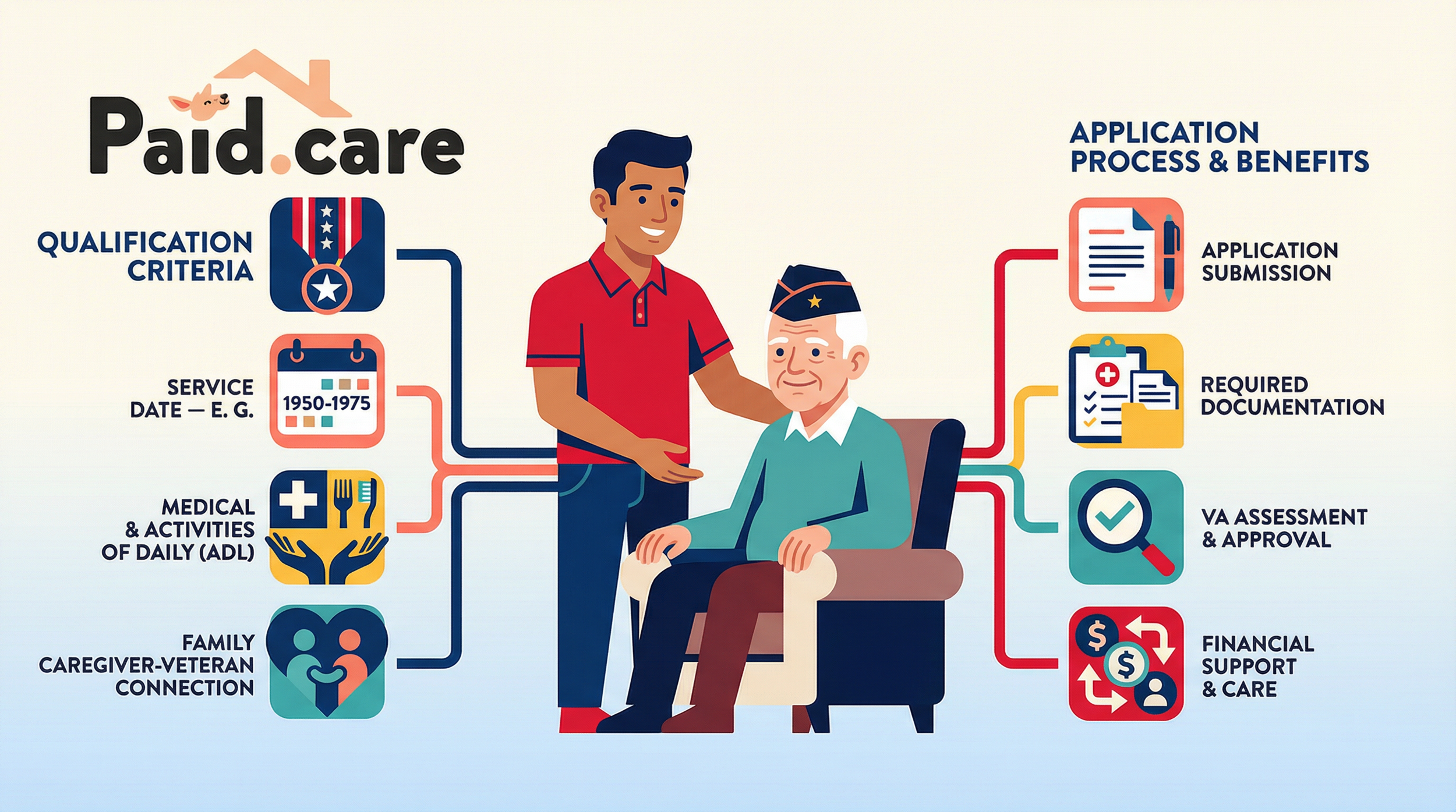
Navigating the VA Family Caregiver Program can be complex, but understanding the eligibility requirements and application process is crucial for those seeking support. This guide provides a comprehensive overview of how to qualify for VA caregiver benefits, the necessary steps to apply, and the various support services available. Many caregivers face challenges in accessing the resources they need, and this guide aims to simplify the process, ensuring that eligible individuals can receive the assistance they deserve. We will explore the eligibility criteria, application instructions, required documents, and the benefits available to family caregivers. Additionally, we will discuss how Medicaid waivers can complement VA caregiver support, particularly in states like Indiana, Michigan, and Illinois.
What Are the Eligibility Requirements for the VA Family Caregiver Program?
The VA Family Caregiver Program offers essential support to those who care for veterans with serious injuries or illnesses. To qualify, caregivers must meet specific eligibility criteria set by the Department of Veterans Affairs. Understanding these requirements is vital for both caregivers and veterans seeking assistance.
Who Qualifies as a Family Caregiver for VA Benefits?
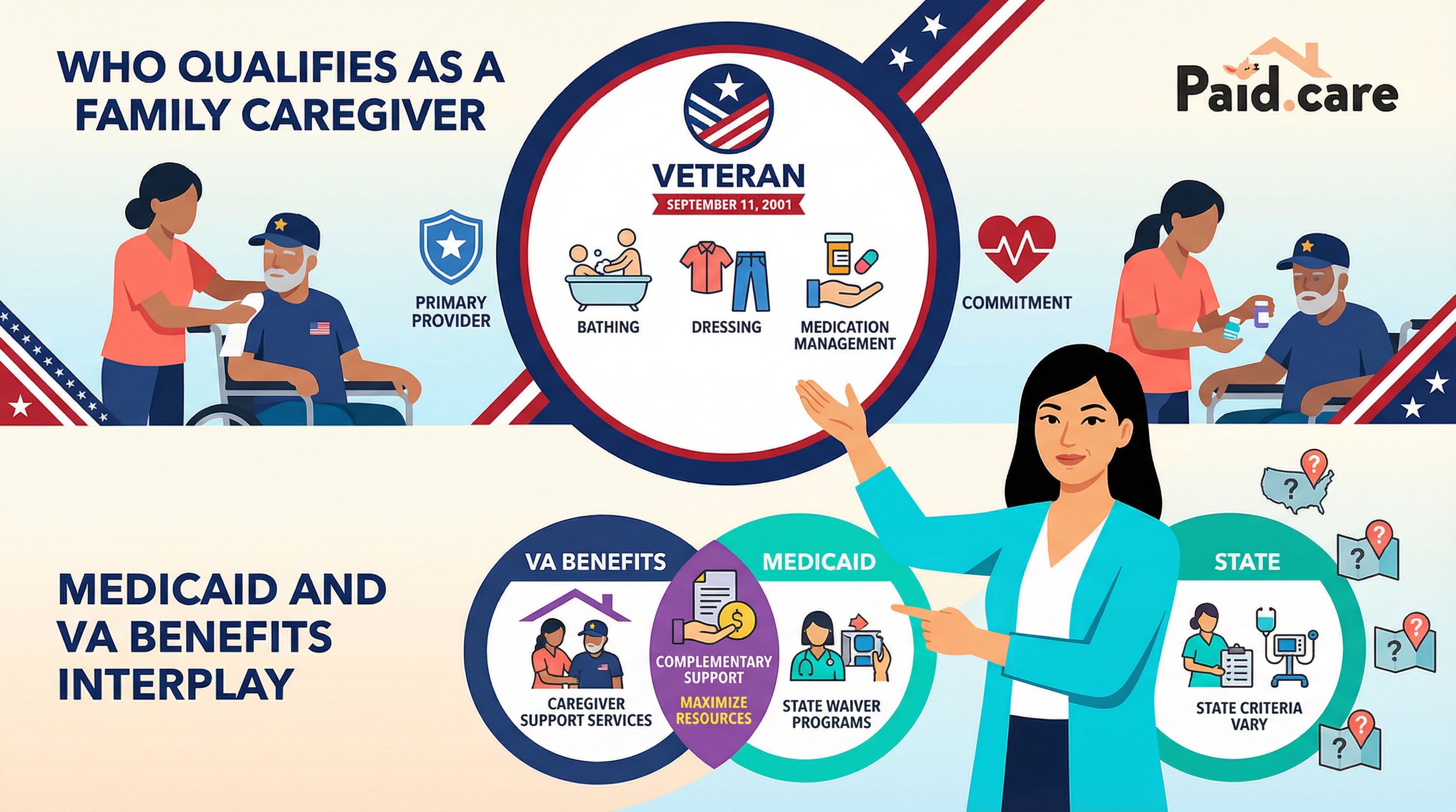
A family caregiver is defined as an individual who provides personal care services to a veteran who incurred or aggravated a serious injury or illness in the line of duty on or after September 11, 2001. This includes assistance with daily living activities, such as bathing, dressing, and managing medications. To qualify for VA benefits, caregivers must be primary providers of care and must demonstrate a significant commitment to the veteran's well-being.
How Do Medicaid and Medicaid Waivers Affect Caregiver Eligibility?
Medicaid plays a crucial role in providing additional supports that may complement VA caregiver benefits but does not determine eligibility for VA caregiver benefits. Medicaid waivers can provide additional support and resources for caregivers, often enhancing the services available through the VA. However, eligibility criteria and available services may vary by state, impacting how caregivers can access these benefits. Understanding the interplay between Medicaid and VA caregiver support is essential for maximizing available resources.
How Do You Complete the VA Family Caregiver Application Process?
Completing the VA Family Caregiver application process involves several key steps. It is important to follow the outlined procedures to ensure a successful application.
What Are the Step-by-Step Instructions to Apply?
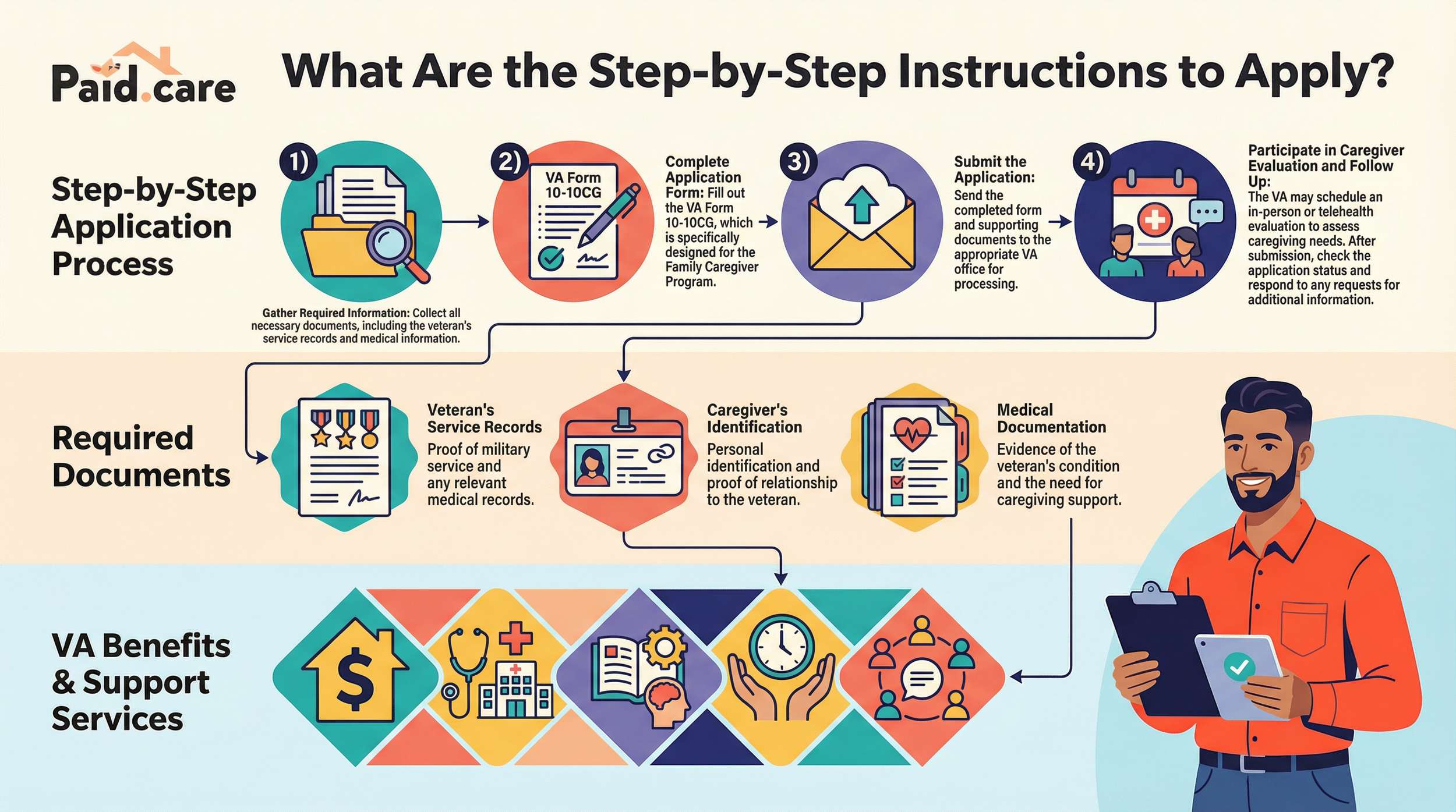
Gather Required Information: Collect all necessary documents, including the veteran's service records and medical information.
Complete the Application Form: Fill out the VA Form 10-10CG, which is specifically designed for the Family Caregiver Program.
Submit the Application: Send the completed form and supporting documents to the appropriate VA office for processing.
Participate in the Caregiver Evaluation: The VA may schedule an in-person or telehealth evaluation to assess caregiving needs.
Follow Up: After submission, check the application status and respond to any requests for additional information.
Which Documents Are Required for a Successful Application?
To ensure a successful application, caregivers must provide several key documents, including:
Veteran's Service Records: Proof of military service and any relevant medical records.
Caregiver's Identification: Personal identification and proof of relationship to the veteran.
Medical Documentation: Evidence of the veteran's condition and the need for caregiving support.
What Benefits and Support Services Are Available to Family Caregivers?
Family caregivers can access a variety of benefits and support services through the VA Family Caregiver Program. These resources are designed to assist caregivers in their vital roles.
The VA's commitment to supporting caregivers is further demonstrated by specific initiatives and evaluations of caregiver support services within its healthcare system.
VA Caregiver Support Services & Programs The Department of Veterans Affairs (VA) provides health care to approximately 300,000 patients with dementia. Recognizing the critical role caregivers play in veterans’ health, the Cognitive Disorders Specialty Care Education Center of Excellence (COE) at the Atlanta VA Health Care System implemented a suite of caregiver support services, including formal programs and resource linkages. We evaluated the effectiveness of these services and identified caregiver-perceived gaps in them. A qualitative evaluation of caregiver support services offered at the Atlanta veterans affairs health care system, 2019
What VA Caregiver Benefits Can You Receive?
Eligible caregivers may receive several benefits, including:
Financial Support: Monthly stipends to help cover caregiving expenses, which vary based on the level of care required.
Training and Education: Access to training programs that enhance caregiving skills.
Respite Care: Temporary relief services to give caregivers a break from their responsibilities.
Health Care: Access to health care benefits for the caregiver.
Mental Health Services: Support for caregiver mental health and well-being.
Further emphasizing the comprehensive nature of the program, official reports highlight the core components and support services offered to eligible family caregivers.
VA Family Caregiver Program: Benefits & Eligibility VHA s Family Caregiver Program is designed to provide support and services to family caregivers of post-911 veterans who have a serious injury incurred or aggravated in the line of duty. The program provides approved primary family caregivers with a monthly financial stipend as well as training and other support services, such as counseling and respite care. VA Health Care: Actions Needed to Address Higher-Than-Expected Demand for the Family Caregiver Program, 2014
How Do Medicaid Waivers Complement VA Caregiver Support?
Medicaid waivers can significantly enhance the support available to family caregivers. These waivers often provide additional funding for services not covered by the VA, such as in-home care, personal care attendants, or specialized medical equipment. By understanding how to leverage both VA benefits and Medicaid waivers, caregivers can create a more comprehensive support system for the veterans they care for.
How Do Medicaid Waiver Caregiver Requirements Vary in Indiana, Michigan, and Illinois?
Medicaid waiver requirements can differ significantly across states, impacting caregiver eligibility and available services. Understanding these variations is crucial for caregivers seeking assistance.
What Are the State-Specific Medicaid Waiver Eligibility Rules?
Each state has its own set of eligibility rules for Medicaid waivers. For instance, Indiana, Michigan, and Illinois have different income and asset limits, service offerings, and application procedures. Caregivers should familiarize themselves with their state's specific requirements to ensure they meet the necessary criteria.
How to Apply for Medicaid Waivers in Each State?
Applying for Medicaid waivers typically involves the following steps:
Determine Eligibility: Review state-specific eligibility criteria for Medicaid waivers.
Complete the Application: Fill out the required forms, which may vary by state.
Submit Documentation: Provide necessary documentation, including financial information and medical records.
Follow Up: Check the application status and respond to any requests for additional information.
Understanding the nuances of Medicaid waivers in Indiana, Michigan, and Illinois can help caregivers navigate the application process more effectively and access the support they need.
FAQs
-
VA caregiver support is not just one program. The Program of Comprehensive Assistance for Family Caregivers (PCAFC) is the main VA program people usually mean when they ask about paid caregiver benefits, while the Program of General Caregiver Support Services (PGCSS) offers support/resources for many caregivers even if they don’t qualify for PCAFC. The VA caregiver pages also note that PGCSS may still be an option if PCAFC eligibility requirements aren’t met.
-
According to VA’s current PCAFC eligibility page, the caregiver must be at least 18 and either be a qualifying family member (such as spouse, child, parent, stepfamily, or extended family) or live full time with the Veteran . or be willing to live full time with the Veteran if designated. The Veteran must meet requirements that include a VA disability rating of 70% or higher, discharge . or a date of medical discharge, need for at least 6 months of continuous, in-person personal care services, and enrollment in VA health care.
-
VA says the Veteran and caregiver apply together and both must sign/date the application and answer the questions for their role. You can apply online, by mail, or in person, and the paper application is VA Form 10-10CG (Application for Comprehensive Assistance for Family Caregivers Program). VA also notes that if a new caregiver is being appointed later, a new VA Form 10-10CG is required.
-
VA states that a caregiver support team member will contact the Veteran and caregiver(s) to discuss the application and eligibility. Before assignment as a caregiver, VA lists required steps including caregiver education/training and a home care assessment, and the page says VA will assign a caregiver no later than 90 days after receiving the application. VA also notes there are appeal/review options if you disagree with the decision and ongoing wellness contacts (at least every 120 days, plus an annual home visit) once in the program.

