
Can I Get Paid for Taking Care of My Mom? Paid Family Caregiver Programs Explained

Caring for a loved one can be both a rewarding and challenging experience, especially when it comes to financial considerations. Many families wonder if they can receive compensation for providing care to their relatives, particularly aging parents. This article explores the various paid family caregiver programs available, including Medicaid caregiver reimbursement options, and how they can financially support caregivers. We will delve into the mechanisms of these programs, the eligibility criteria in states like Indiana, Michigan, and Illinois, and the application processes involved. Additionally, we will discuss the financial assistance and support services available for family caregivers, including potential tax benefits and local resources.
What Are Paid Family Caregiver Programs and Medicaid Caregiver Reimbursement?
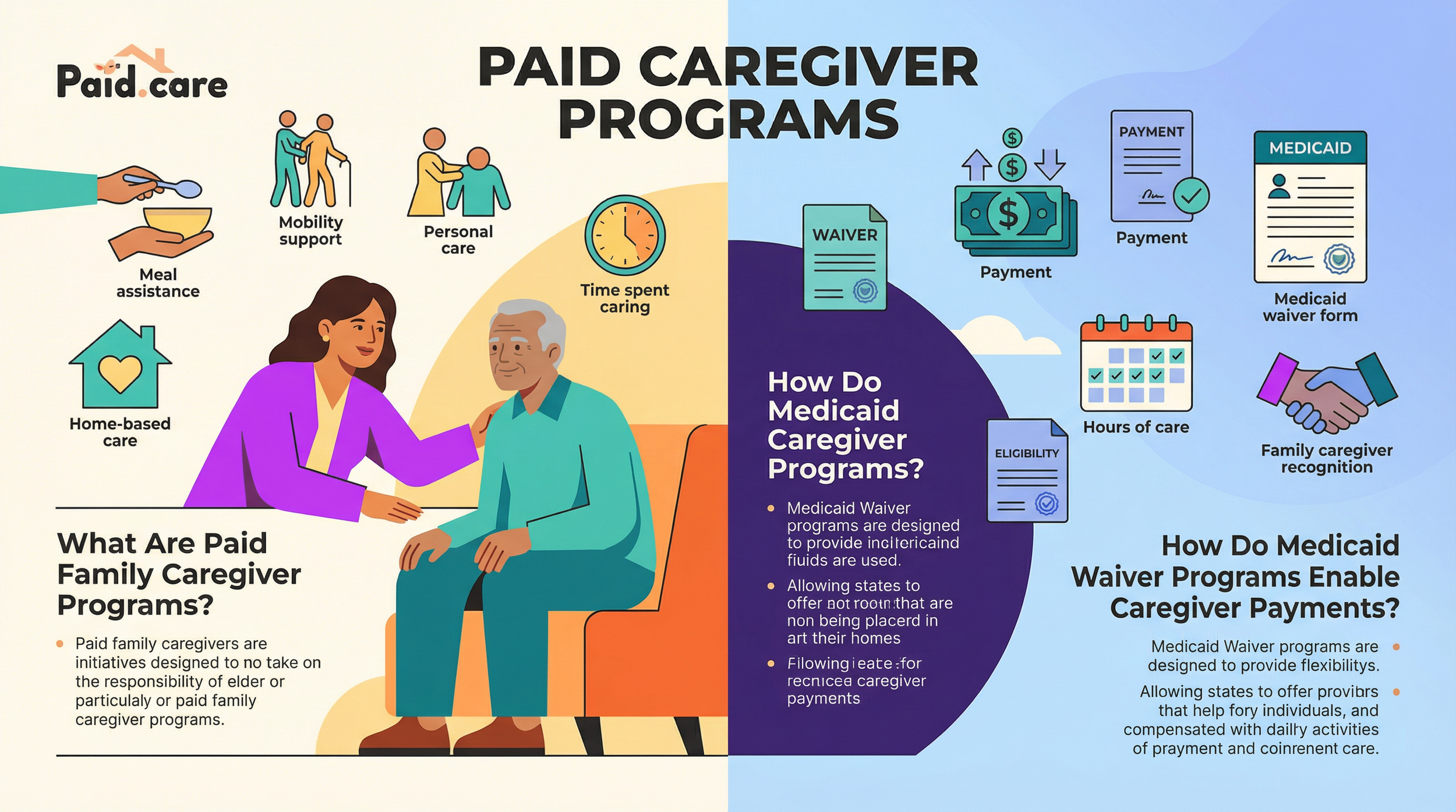
Paid family caregiver programs are initiatives designed to provide financial compensation to individuals who take on the responsibility of caring for family members, particularly the elderly or disabled. These programs recognize the essential role that family caregivers play in the healthcare system and aim to alleviate some of the financial burdens associated with caregiving. Medicaid caregiver reimbursement is a specific type of program that allows eligible caregivers to receive payment for the care they provide to family members, helping to support their financial needs while ensuring that their loved ones receive the necessary care.
How Do Medicaid Waiver Programs Enable Caregiver Payments?
Medicaid Waiver programs are designed to provide flexibility in how Medicaid funds are used, allowing states to offer services that help individuals remain in their homes rather than being placed in institutional care. These programs enable caregiver payments by allowing family members to be compensated for providing care, which can include assistance with daily living activities, personal care, and medical support. Eligibility for these payments typically requires that the caregiver meets specific criteria, such as being a family member and providing care for a certain number of hours per week.
Research indicates that a substantial portion of these waivers specifically allow for the compensation of family caregivers.
Medicaid Waivers for Paid Family Caregivers disabilities allocate personal care services to pay family caregivers. Our analysis revealed about two thirds of waivers in fiscal year (FY) 2014 allowed for family caregivers to potentially Un/ Paid labor: Medicaid Home and Community Based Services waivers that pay family as personal care providers, C Friedman, 2014
Which States Offer Medicaid Caregiver Reimbursement?
Several states across the U.S. offer Medicaid caregiver reimbursement programs, each with its own specific guidelines and eligibility requirements. States like California, New York, and Texas have established programs that allow family members to receive compensation for caregiving services. Additionally, states such as Indiana, Michigan, and Illinois have their own unique programs that provide financial support to family caregivers, ensuring that they can continue to provide essential care without facing overwhelming financial strain.
How Can I Get Paid for Caring for My Mom in Indiana, Michigan, and Illinois?
If you are a caregiver in Indiana, Michigan, or Illinois, there are specific steps you can take to receive payment for caring for your mother. Each state has its own eligibility criteria and application processes, which are essential to understand in order to access these benefits.
What Are the Eligibility Criteria for Caregiver Payment in Each State?
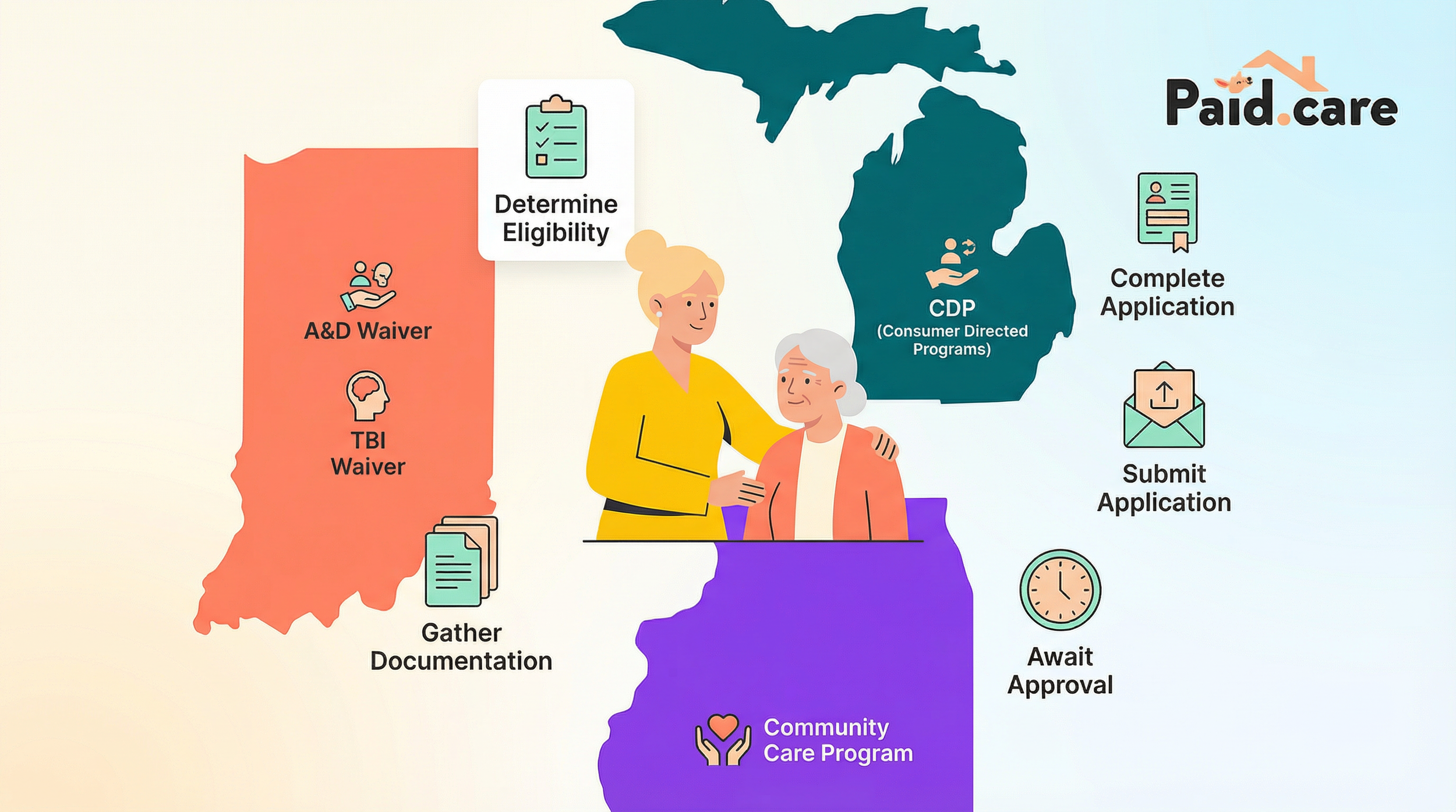
Eligibility criteria for caregiver payments can vary significantly from state to state. Generally, caregivers must be related to the individual receiving care and must provide a certain level of assistance. In Indiana, caregivers must be enrolled in the state's Medicaid Waiver programs, such as the Aged and Disabled (A&D) Waiver or the Traumatic Brain Injury (TBI) Waiver, and typically must provide care for at least 56 hours per week depending on the program. Michigan has a Consumer Directed Programs (CDP) under Medicaid where caregivers, including family members (excluding spouses), can be paid for providing services. Illinois offers the Community Care Program and other Medicaid Waiver programs that allow eligible family caregivers to be paid for providing care, with specific requirements on hours and services provided. It is crucial to check the detailed state guidelines for the exact eligibility requirements.
What Is the Step-by-Step Application Process for State Caregiver Payment Programs?
The application process for state caregiver payment programs typically involves several steps:
Determine Eligibility: Review the eligibility criteria specific to your state.
Gather Documentation: Collect necessary documents, such as proof of relationship and care hours.
Complete Application: Fill out the application form provided by your state’s Medicaid office or relevant agency.
Submit Application: Send your completed application along with any required documentation to the appropriate office.
Await Approval: After submission, wait for a response regarding your application status.
Understanding this process can help streamline your efforts to receive compensation for your caregiving services.
What Financial Assistance and Support Services Are Available for Family Caregivers?
In addition to Medicaid caregiver reimbursement, various financial assistance programs and support services are available to family caregivers. These resources can help alleviate the financial burden of caregiving and provide additional support.
Are There Tax Benefits for Paid Family Caregivers?
Yes, there are potential tax benefits available for paid family caregivers. Caregivers may be eligible for tax deductions related to medical expenses incurred while caring for a family member if they itemize deductions. Additionally, the IRS allows for the Child and Dependent Care Credit in certain caregiver situations, and some states offer tax credits for caregivers, which can further reduce the financial burden. It is advisable for caregivers to consult with a tax professional to understand the specific benefits they may qualify for and how to claim them.
What Resources and Support Services Can Help Caregivers in Indiana, Michigan, and Illinois?
Caregivers in Indiana, Michigan, and Illinois can access a variety of resources and support services to assist them in their caregiving roles. These may include:
Local Support Groups: Connecting with other caregivers can provide emotional support and practical advice.
State Health Departments: These agencies often offer resources and information about available programs and services.
Online Resources: Websites like the Family Caregiver Alliance and AARP provide valuable information and tools for caregivers.
By utilizing these resources, caregivers can find the support they need to manage their responsibilities effectively.
FAQs
-
In many cases, yes—but it depends on where you live and what programs your mom qualifies for. Some state Medicaid programs, waiver programs, and self-directed care options may allow family members to be paid for providing care at home. Other options may include long-term care insurance benefits, veterans-related programs, or state-specific caregiver support programs. Eligibility rules vary, so it is important to confirm the exact program requirements before assuming payment is available.
-
Families often explore programs such as Medicaid home- and community-based services (HCBS), self-directed care programs, state caregiver assistance programs, and (in some cases) long-term care insurance reimbursement. Some programs pay for personal care support, supervision, and help with daily activities, while others may offer respite or care coordination instead of direct pay. The right option depends on your mom’s medical needs, financial eligibility, and your state’s rules.
-
A strong starting point is to:
(1) review your mom’s current insurance and Medicaid status,
(2) identify your state’s family caregiver or Medicaid waiver options, and
(3) document the care you are already providing (hours, tasks, and level of support).
These steps help you understand what programs may apply and prepare you for eligibility screenings, assessments, and paperwork. -
Yes, many programs have rules about who can be the paid caregiver. Some may allow adult children or other relatives, while others have restrictions for spouses, legal guardians, or people living in the same household. Programs may also require caregiver enrollment, background checks, training, or approval through a care plan. Because these rules differ by program and state, families should verify the details before moving forward.

