
Balancing Caregiving and Toddler Parenting: Managing the Double Squeeze Effectively
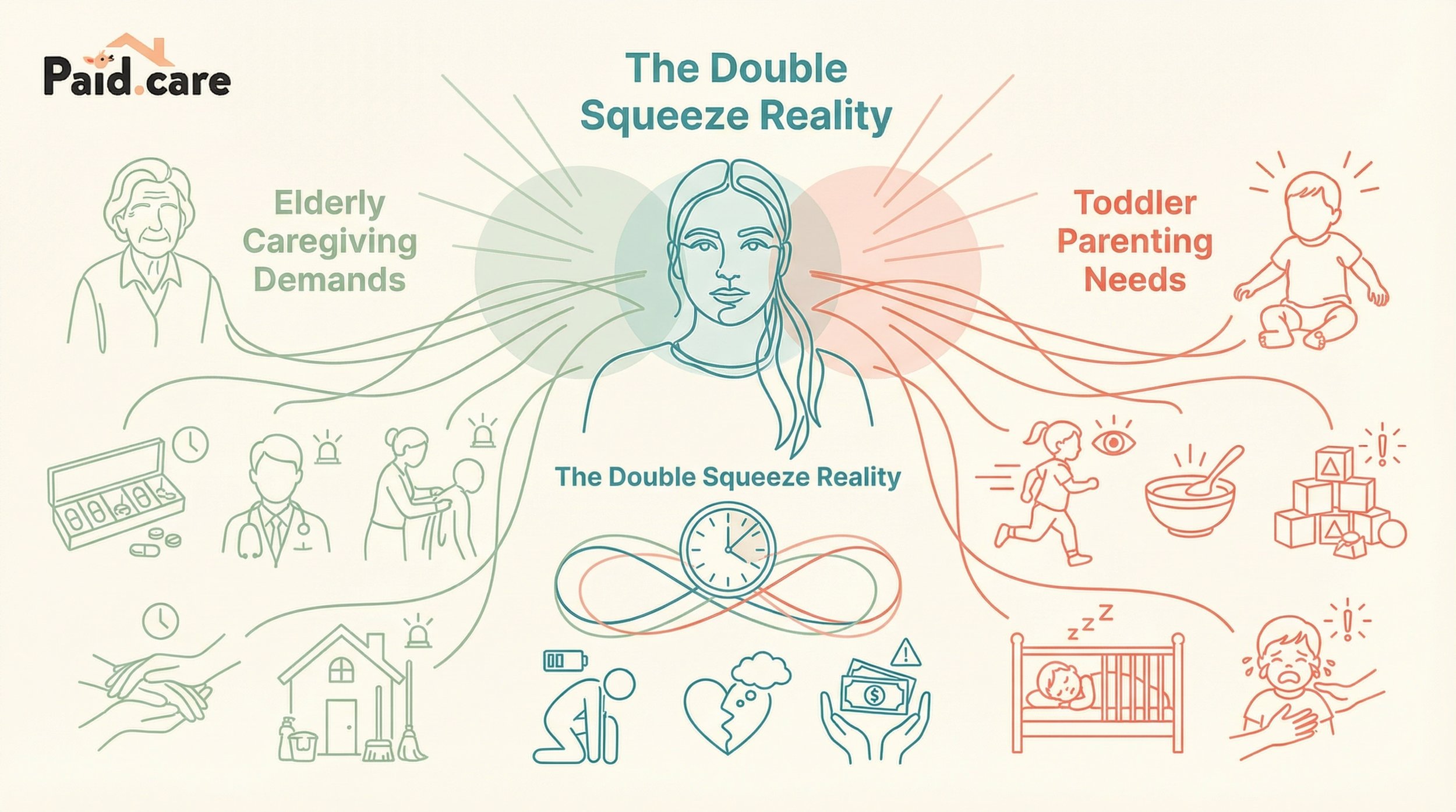
Navigating the dual responsibilities of caregiving for elderly family members while parenting toddlers can be overwhelming. This phenomenon, often referred to as the "double squeeze," presents unique challenges that require effective strategies for balance. In this article, we will explore how caregivers can manage their time, cope with stress, and access resources to support their dual roles. By understanding the intricacies of caregiving while parenting toddlers, individuals can find practical solutions to enhance their well-being and that of their families. We will delve into Medicaid benefits for caregivers, time management tips, stress management strategies, and local resources available in Indiana, Michigan, and Illinois.
What Medicaid Benefits and Waivers Support Family Caregivers in Indiana, Michigan, and Illinois?
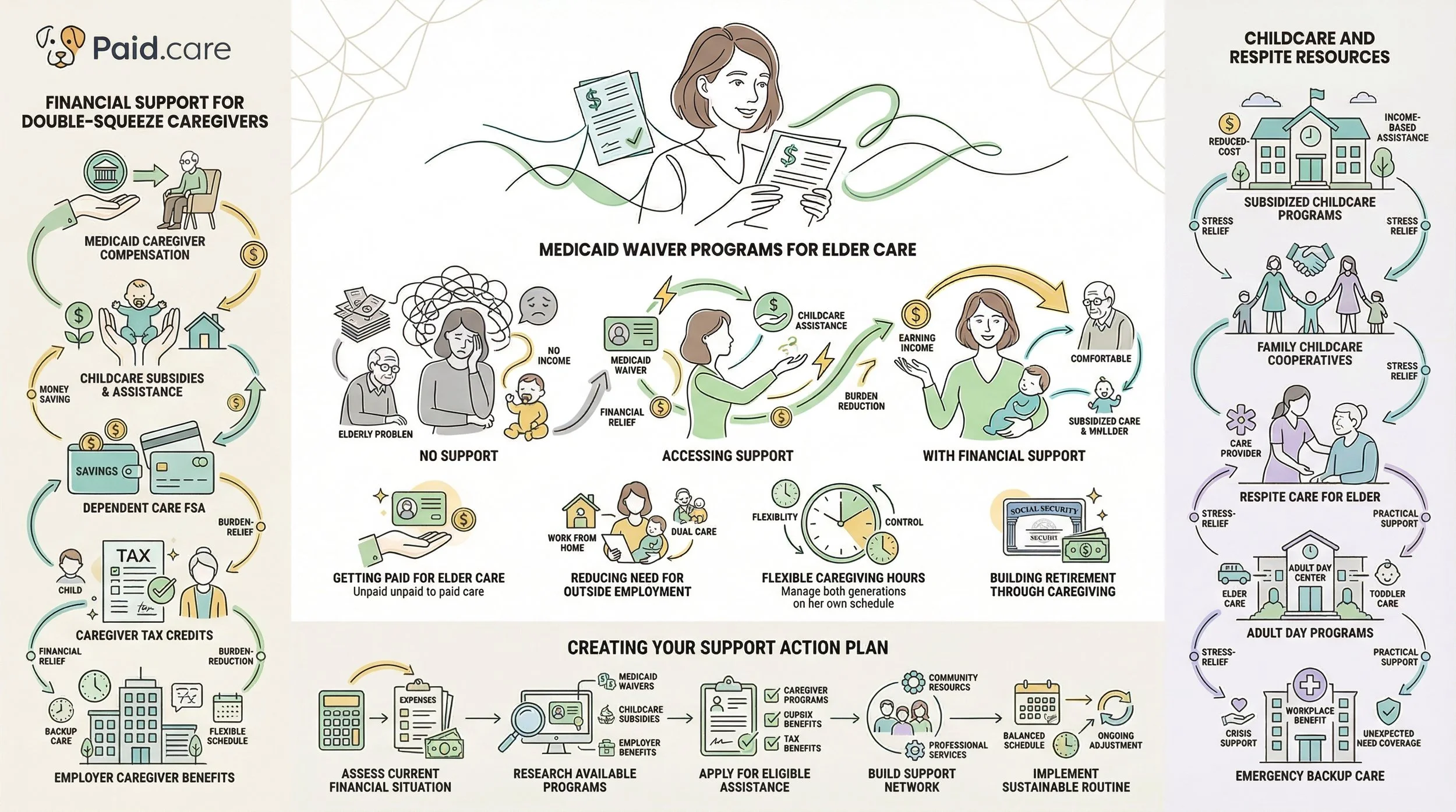
Medicaid offers various benefits and waivers that can significantly aid family caregivers in managing their responsibilities. These programs are designed to provide financial assistance and support services to those caring for elderly or disabled family members. Understanding the eligibility criteria and differences in state programs is crucial for caregivers seeking assistance.
How to Determine Medicaid Eligibility for Caregivers and Care Recipients
Eligibility for Medicaid can vary based on several factors, including income, assets, and the specific needs of both caregivers and care recipients. Generally, caregivers must demonstrate a financial need, while care recipients must meet certain medical criteria. For example, in Indiana, caregivers may qualify if their income is below a specified threshold, while in Michigan, the focus may be on the care recipient's level of need.
What Are the Key Differences in Medicaid Waiver Programs Across These States?
Each state has unique Medicaid waiver programs that cater to family caregivers. In Indiana, the Aged and Disabled Waiver provides services such as personal care and respite care. Michigan offers the Home and Community-Based Services Waiver, which includes similar support but may have different eligibility requirements. Illinois has the Supportive Living Program, which focuses on providing housing and care services. Understanding these differences can help caregivers choose the best option for their situation.

How Can Caregivers Balance Parenting Toddlers While Providing Elder Care?
Balancing the demands of parenting toddlers and providing elder care requires effective strategies and time management skills. Caregivers must prioritize their responsibilities while ensuring that both their children and elderly family members receive the attention they need.
What Practical Time Management Tips Help Manage Dual Caregiving Roles?
Effective time management is essential for caregivers juggling multiple responsibilities. Here are some practical tips:
Create a Daily Schedule: Establish a routine that includes dedicated time for both caregiving and parenting activities.
Prioritize Tasks: Identify the most critical tasks each day and focus on completing them first.
Set Boundaries: Learn to say no to additional responsibilities that may overwhelm your schedule.
Implementing these strategies can help caregivers maintain a sense of control over their daily lives.
How Does Toddler Behavior Impact Caregiving Responsibilities?
Understanding toddler behavior is crucial for caregivers. Toddlers are naturally curious and energetic, which can sometimes complicate caregiving tasks. For instance, a toddler's need for attention may conflict with the time required to assist an elderly family member. Caregivers can manage this by:
Involving Toddlers in Caregiving: Teach toddlers simple tasks that allow them to feel included, such as helping with meal preparation.
Setting Up Play Areas: Create safe spaces where toddlers can play independently while caregivers attend to elder care needs.
Establishing Clear Routines: Consistent routines can help toddlers understand when it's time to play and when they need to be patient.
By recognizing and adapting to toddler behavior, caregivers can create a more harmonious environment.
What Stress Management Strategies Support Mental Health for Caregiver Parents?
The stress of managing caregiving and parenting can take a toll on mental health. Implementing effective stress management strategies is vital for maintaining well-being.
Which Techniques Relieve Caregiving Stress While Parenting Young Children?
Several techniques can help alleviate stress for caregiver parents:
Mindfulness Practices: Engaging in mindfulness exercises, such as meditation or deep breathing, can help caregivers stay grounded.
Physical Activity: Regular exercise, even short walks, can significantly reduce stress levels and improve mood.
Social Support: Connecting with friends or support groups can provide emotional relief and practical advice.
Incorporating these techniques into daily life can enhance resilience and overall mental health.
How Can Caregiver Support Networks and Respite Services Help?
Caregiver support networks and respite services play a crucial role in providing relief for those managing dual responsibilities. These resources can offer:
Emotional Support: Connecting with others in similar situations can provide comfort and understanding.
Respite Care: Temporary care services allow caregivers to take breaks, reducing burnout and stress.
Access to Resources: Support networks often provide information on financial assistance, legal guidance, and local services.
Utilizing these resources can empower caregivers to manage their responsibilities more effectively.
Where Can Caregivers Find Local Resources and Community Support in Target States?
Finding local resources and community support is essential for caregivers seeking assistance. Various organizations and programs are available in Indiana, Michigan, and Illinois to help family caregivers.
What Support Groups and Programs Are Available for Family Caregivers?
Support groups can provide invaluable resources for family caregivers. Some options include:
Local Caregiver Support Groups: Many communities offer support groups where caregivers can share experiences and advice.
Online Forums: Virtual support groups can connect caregivers with others across the country, providing a broader network of support.
Workshops and Training Programs: Educational programs can equip caregivers with skills and knowledge to manage their responsibilities more effectively.
These resources can help caregivers feel less isolated and more empowered in their roles.
How to Access Financial Assistance and Legal Guidance for Caregivers?
Accessing financial assistance and legal guidance is crucial for caregivers. Here are some steps to consider:
Research Local Programs: Many states offer financial assistance programs specifically for family caregivers.
Consult Legal Aid Services: Legal aid organizations can provide guidance on navigating caregiver rights and responsibilities.
Utilize Online Resources: Websites dedicated to caregiver support often list available financial and legal resources.
By taking advantage of these resources, caregivers can alleviate some of the financial burdens associated with their roles.
FAQs
-
The Double Squeeze refers to the intense pressure faced by the "sandwich generation" who are simultaneously raising a toddler and caring for an aging parent. In 2026, this is fueled by a shortage of professional care workers and rising costs. It requires a specialized strategy that treats the household as a single ecosystem where the developmental needs of the toddler (learning boundaries) and the health needs of the senior (maintaining independence) are managed through shared routines and technology.
-
The most effective tool for the Double Squeeze is the "AI Family Co-Pilot." In 2026, these assistants can sync a senior’s wearable health data with a toddler’s nap and feeding schedule to identify "windows of calm." For example, the AI can suggest high-engagement activities for your toddler during the exact hour your senior is most alert, or alert you to a senior’s potential fall risk while you are occupied with a toddler’s tantrum, reducing the constant "mental load" of dual monitoring.
-
Yes. Under the 2026 federal Medicaid updates (H.R. 1), caregivers who are looking after a child under 13 or a disabled senior are typically exempt from new "Community Engagement" (work) requirements. Additionally, in states like California, 2026 IHSS wage increases mean you may be eligible for a higher hourly rate if you are the designated caregiver for your parent. Always ensure you document your "dual-care" hours separately to maximize tax credits like the Credit for Other Dependents and the Child and Dependent Care Credit.
-
A major trend in 2026 is the rise of intergenerational care programs where childcare and senior centers are co-located. If you are a solo caregiver, you can "stack" care by involving your toddler in your senior’s activities. Research shows that "serve-and-return" interactions between toddlers and seniors improve cognitive function for the elder and empathy for the child. Simple 2026 strategies include "joint tactile tasks"—like pudding painting or folding laundry together—which keeps both parties occupied and safe while you handle administrative tasks.

