
Managing the Power Shift in Family Caregiving: From "Child" to "Boss" for Unpaid Caregivers
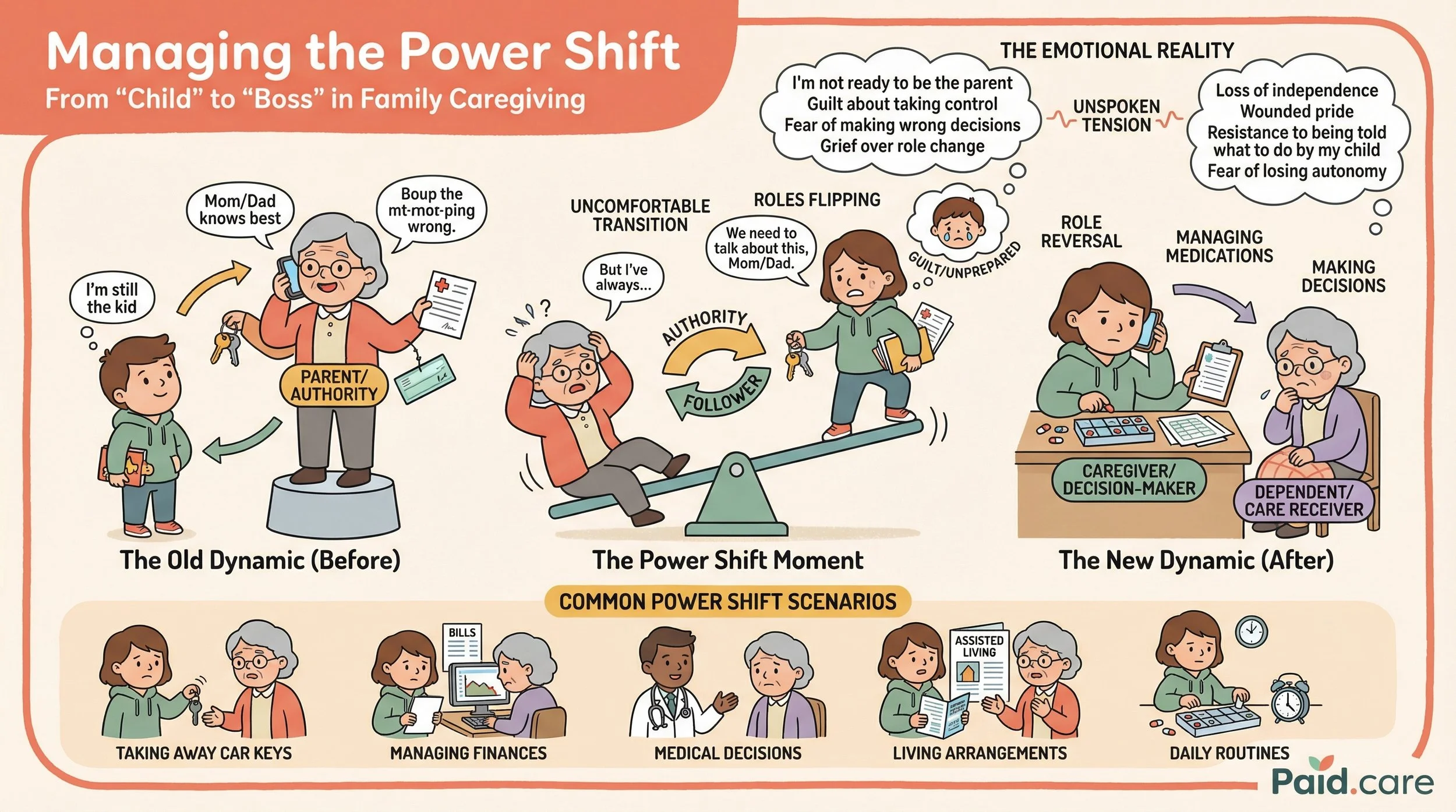
The transition from being a child to taking on the role of a caregiver can be a profound shift in family dynamics. This change often brings about a power shift that can be challenging for both caregivers and their loved ones. In this article, we will explore the complexities of managing this transition, focusing on the key challenges caregivers face, the emotional impacts of their new roles, and practical steps to navigate these changes effectively. By understanding the nuances of this power shift, caregivers can better support their families while also taking care of their own well-being. We will delve into the challenges of role transitions, legal and financial responsibilities, emotional impacts, and practical strategies for a smoother transition.
What Are the Key Challenges in Family Caregiving Role Transitions?
Transitioning into a caregiving role presents several challenges that can affect both the caregiver and the family. These challenges often include emotional hurdles, logistical issues, and the need for support systems. Caregivers may find themselves overwhelmed by the responsibilities that come with managing care for a loved one, which can lead to stress and burnout. Recognizing these challenges is the first step toward addressing them effectively.
How Does the Power Shift Affect Family Dynamics and Decision-Making?
The power shift in caregiving roles can significantly alter family dynamics and decision-making processes. As caregivers take on more responsibility, they may find themselves in positions where they must make critical decisions on behalf of their loved ones. This shift can lead to conflicts, especially if family members disagree on care approaches or priorities. Understanding how these dynamics change is crucial for maintaining healthy relationships within the family.
What Signs Indicate Caregiver Stress During Role Changes?
Caregivers often experience stress during role transitions, and recognizing the signs is essential for early intervention. Common indicators of caregiver stress include physical symptoms such as fatigue, headaches, and changes in sleep patterns, as well as emotional signs like anxiety, irritability, and feelings of being overwhelmed. By identifying these signs early, caregivers can seek support and implement stress management strategies to maintain their well-being.
How Can Caregivers Navigate Legal and Financial Responsibilities Effectively?
Navigating the legal and financial aspects of caregiving is a critical component of the role. Caregivers must understand their legal authority and the financial implications of their decisions to ensure they are acting in the best interest of their loved ones.
What Legal Authority Does a Family Caregiver Need to Manage Care?
To manage care effectively, family caregivers often need specific legal authority, which may include power of attorney or guardianship. These legal documents grant caregivers the ability to make medical and financial decisions on behalf of their loved ones. Understanding the necessary legal steps to obtain this authority is vital for caregivers to fulfill their roles confidently.
How Do Medicaid and Medicaid Waivers Support Caregivers in Indiana, Michigan, and Illinois?
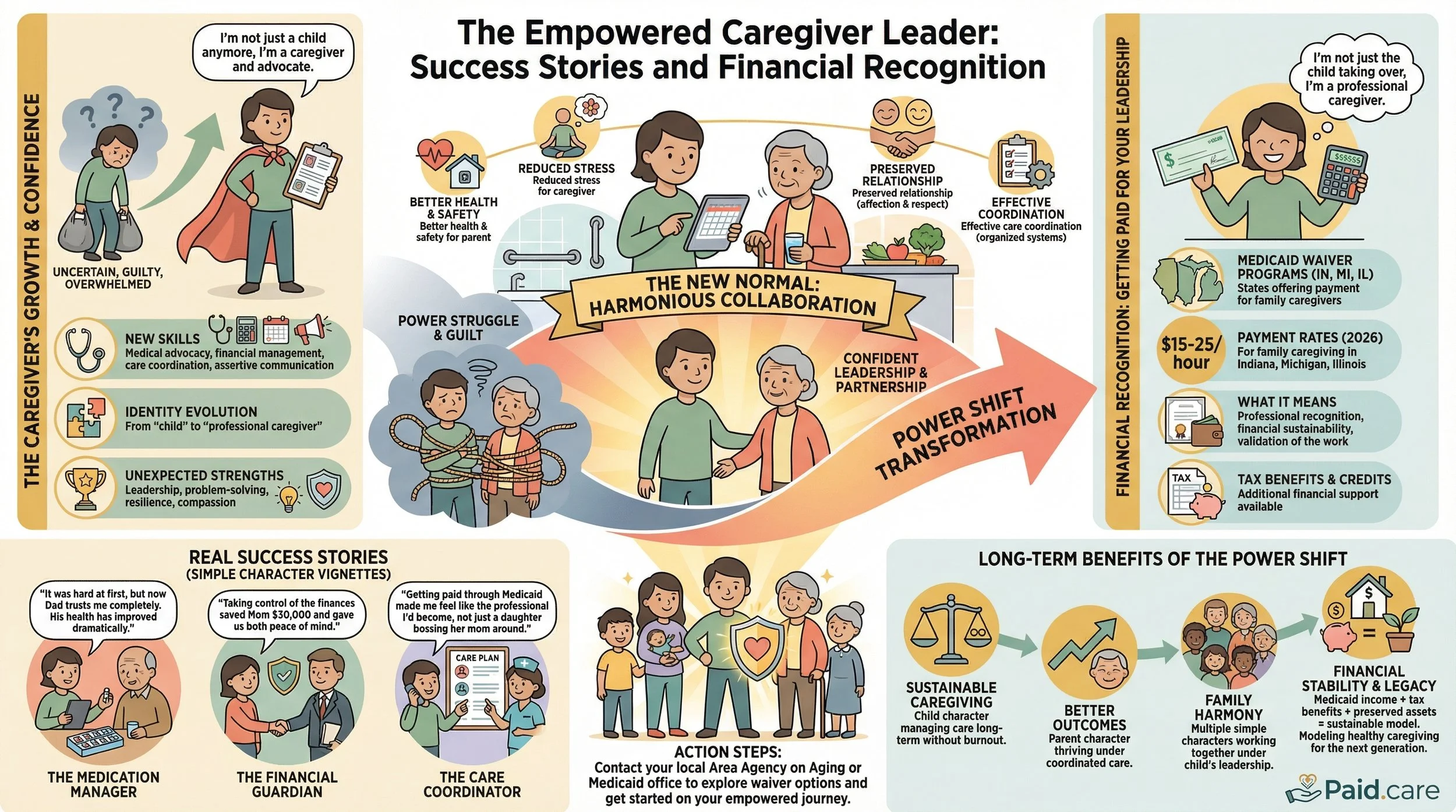
Medicaid and Medicaid waivers can provide essential support for caregivers in states like Indiana, Michigan, and Illinois. These programs offer financial assistance for various caregiving services, helping to alleviate some of the financial burdens associated with care. Caregivers should familiarize themselves with the eligibility criteria and application processes for these programs to maximize the support available to them.
What Emotional and Psychological Impacts Arise from Becoming the Family Caregiving "Boss"?
Taking on the role of a caregiver can lead to significant emotional and psychological impacts. Caregivers may experience feelings of guilt, anxiety, or even resentment as they navigate their new responsibilities. Understanding these emotional challenges is crucial for caregivers to maintain their mental health and provide effective care.
How Can Caregivers Manage Stress and Prevent Burnout?
To manage stress and prevent burnout, caregivers can implement several strategies. These may include setting realistic expectations, seeking support from family and friends, and prioritizing self-care activities such as exercise and relaxation techniques. By taking proactive steps to manage their stress, caregivers can enhance their resilience and overall well-being.
The importance of proactive measures to combat caregiver burnout and its associated health risks cannot be overstated, as highlighted by research in the field.
Preventing Caregiver Burnout & Health Risks Caring for patients with major neurocognitive disorders, other neuropsychiatric disorders, or functional impairments can lead to caregiver burnout, resulting in premature nursing home placement of the patient and increased risk for physical health problems and mortality in the caregiver. This chapter discusses risk factors and management strategies to help prevent early nursing home placement due to caregiver burnout, to prevent deterioration of caregiver health related to the burden of caregiving, and to reduce adverse health outcomes for patients. This chapter’s goal is to educate clinicians how to reduce risk of caregiver burnout and to preserve a rich and meaningful experience of a caregiver-patient relationship. Caregiver burnout, 2017
What Strategies Improve Communication and Conflict Resolution in Families?
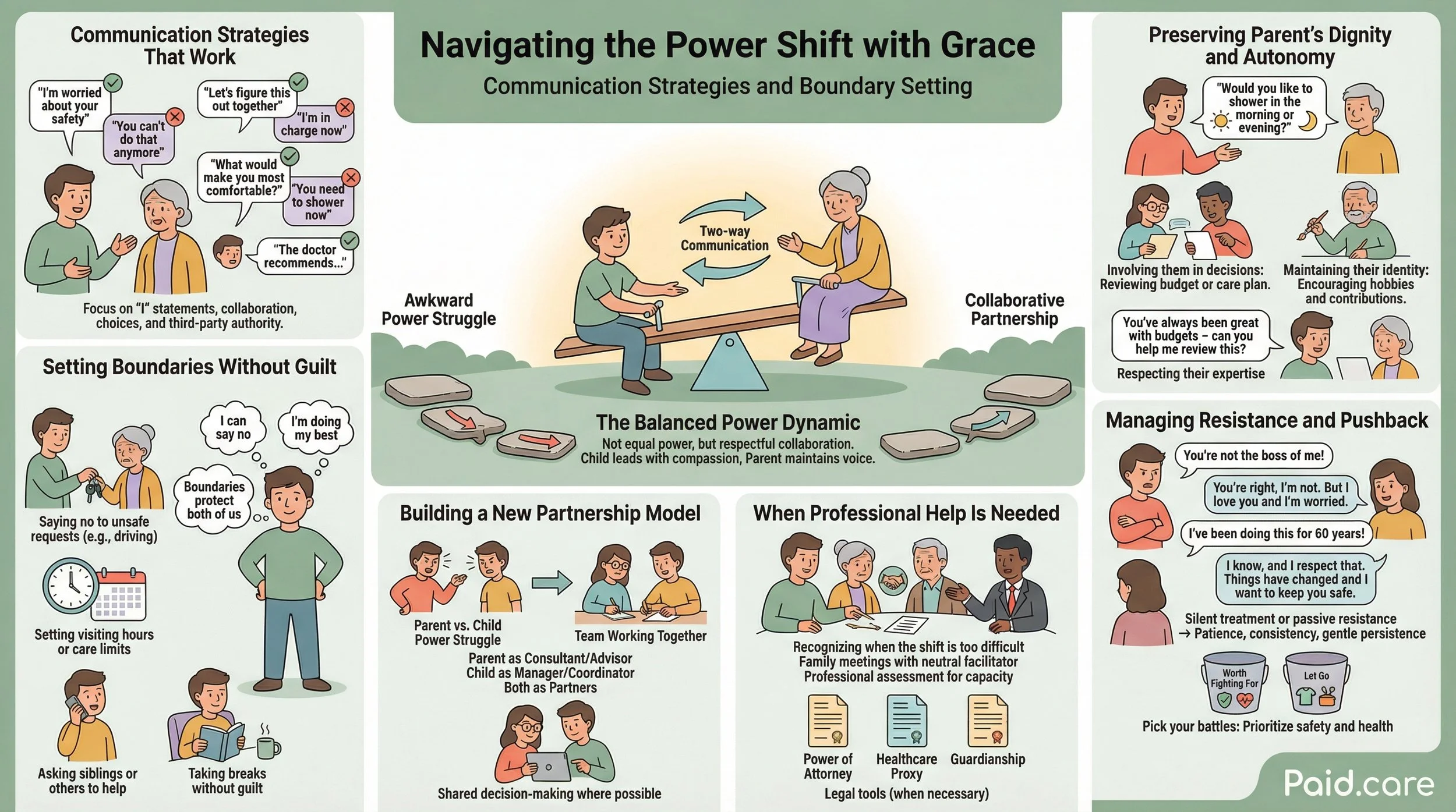
Effective communication is key to resolving conflicts that may arise during caregiving transitions. Caregivers can benefit from employing strategies such as active listening, expressing feelings openly, and seeking compromise. By fostering an environment of open dialogue, families can navigate the complexities of caregiving together, reducing tension and misunderstandings.
What Practical Steps Help in Managing the Power Shift Smoothly?
Implementing practical steps can help caregivers manage the power shift more effectively. These steps can include planning for care transitions, establishing clear roles and responsibilities, and utilizing available resources.
How to Transition Caregiving Roles with Empathy and Clarity?
Transitioning caregiving roles with empathy and clarity involves open communication and understanding among family members. Caregivers should discuss their new responsibilities with their loved ones, ensuring everyone is on the same page regarding expectations and support. This approach fosters a collaborative environment that can ease the transition for all involved.
Which Resources and Support Systems Are Available for Unpaid Caregivers?
Numerous resources and support systems are available for unpaid caregivers, including local community organizations, online support groups, and educational workshops. These resources can provide valuable information, emotional support, and practical assistance to help caregivers navigate their roles more effectively. Engaging with these support systems can significantly enhance a caregiver's ability to manage their responsibilities while maintaining their well-being.
FAQs
-
This power shift refers to the psychological and functional transition where an adult child moves from being the recipient of guidance to becoming the "Executive of Care." In 2026, this role is often compared to being a CEO or Project Manager. You are no longer just "helping out"; you are responsible for overseeing a complex operation that includes medical advocacy, financial management, and legal compliance. Embracing this "boss" mindset helps remove some of the emotional paralysis of the role reversal, allowing you to make high-stakes decisions with the clarity of a professional manager.
-
The most effective way to lead is to delegate based on strengths, a strategy known as "Establishing a Hierarchy." Instead of the primary caregiver doing everything, you might assign a sibling the role of "Chief Financial Officer" to handle bill pay or another relative as the "Logistics Manager" for transportation. In 2026, using care-coordination apps to centralize these tasks turns "asking for favors" into "assigning responsibilities." This professionalizes the dynamic, reducing the "martyrdom" trap for the primary caregiver and giving other family members clear, manageable ways to contribute.
-
With the implementation of federal H.R. 1 policies in 2026, Medicaid now requires eligibility redeterminations every six months rather than annually. As the "boss" of the caregiving estate, your most important administrative task is maintaining a "Caregiver Evidence Log." This log tracks your hours and specific tasks, which is essential not only for potential caregiver pay but also for securing exemptions from "Community Engagement" or work-reporting requirements. Without this high-level documentation, the household risks losing benefits due to the stricter 2026 auditing standards.
-
The key is to use "Choice Architecture" to preserve your loved one's dignity while you handle the executive tasks. Even when you must make the final call on safety or finances, offer micro-choices—such as which outfit to wear or which meal to have—to keep them from feeling like they’ve lost all autonomy. By setting firm boundaries for "business hours" (tasks like meds and insurance calls) and carving out dedicated "child hours" (simply watching a movie or talking), you prevent the caregiving "boss" role from completely swallowing the parent-child relationship.

