
How to Transition from Unpaid to Paid Caregiver: Your First 3 Steps to Get Paid for Family Caregiving
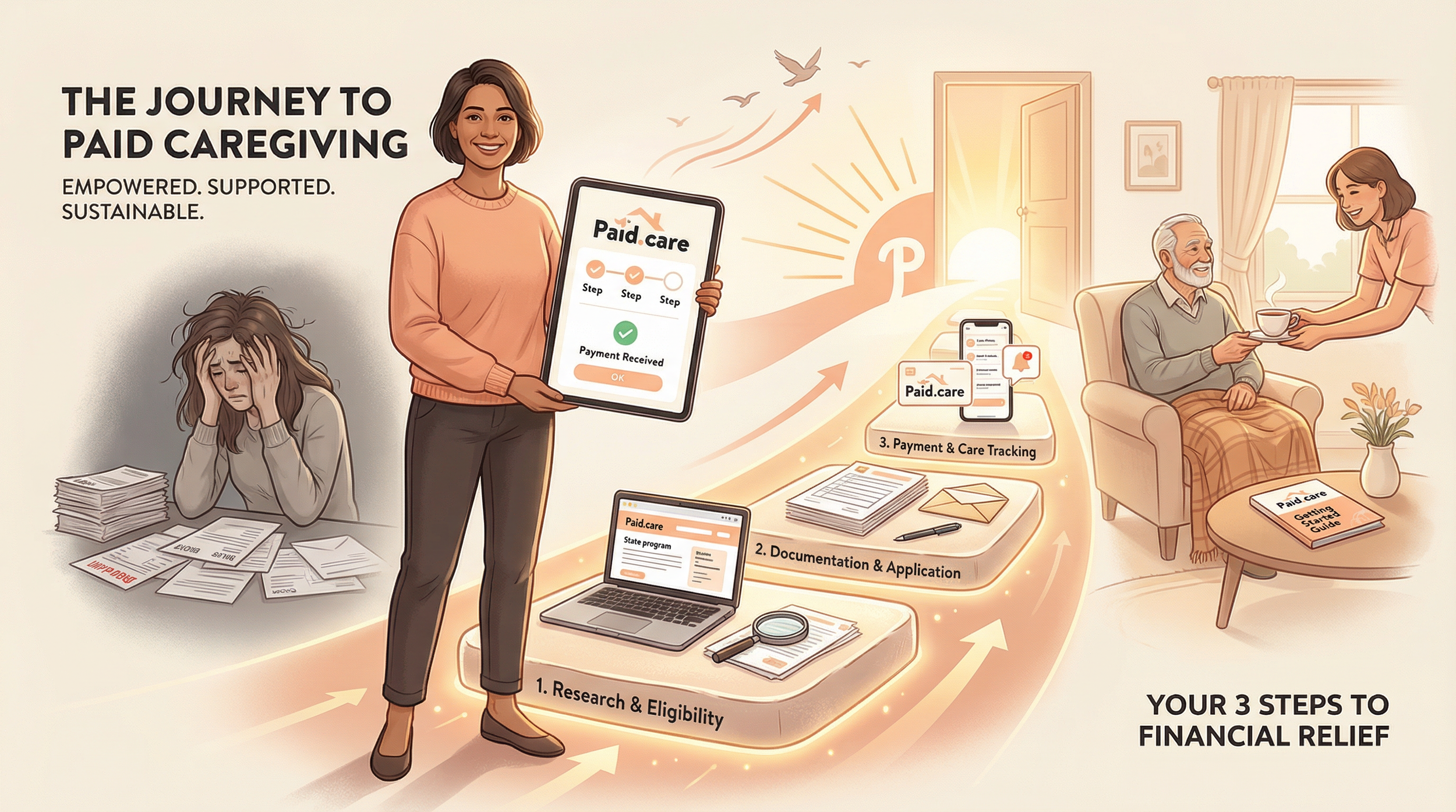
Transitioning from being an unpaid caregiver to a paid one can be a significant change, both emotionally and financially. This guide will provide you with essential steps to navigate this transition effectively. You will learn about the various programs available that compensate family caregivers, the application process, and how to manage your caregiving responsibilities using technology. Many caregivers face challenges in understanding how to get compensated for their invaluable support. Fortunately, there are structured programs and resources available to help you get paid for the care you provide. This article will cover the types of programs that pay family caregivers, the application process, and the tools available to assist you in managing your caregiving duties.
What Programs Pay Family Caregivers and Who Qualifies?
Understanding the programs that compensate family caregivers is crucial for anyone looking to transition to paid caregiving. Various government programs exist to support family caregivers, each with specific eligibility criteria. These programs can provide financial assistance to those who care for elderly or disabled loved ones, ensuring that caregivers are compensated for their time and effort.
Among the various options, self-directed programs offer a promising avenue for family caregivers to receive payment and support.
Self-Directed Programs for Paid Family Caregivers self-directed programs – which enable family caregivers who minimal level of income – can benefit family caregivers. This eligibility of being a paid family caregiver to include all family. What do family caregivers want? Payment for providing care, P Nadash, 2024
Which Medicaid Caregiver Programs Support Paid Family Caregiving?
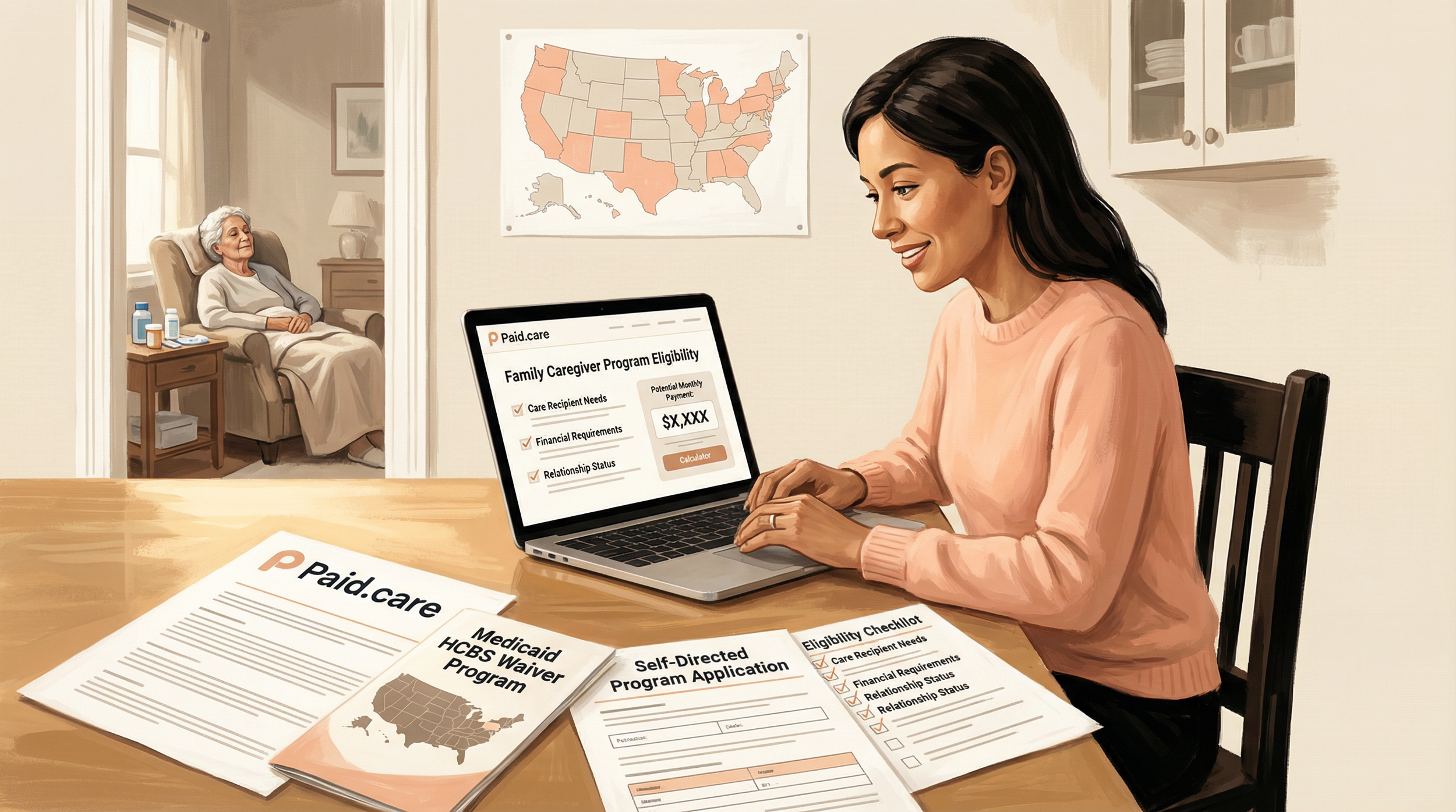
Medicaid offers several caregiver programs that support paid family caregiving. These programs include Home and Community Based Services (HCBS) waivers, which allow states to provide funding for family members who care for eligible individuals. Each state has its own specific Medicaid caregiver programs, and eligibility often depends on the care recipient's needs, the caregiver's relationship to the care recipient, and the financial situation of the household.
Research further confirms the significant role of Medicaid waivers in enabling payment for family caregivers.
Medicaid Waivers for Paid Family Caregivers Medicaid HCBS Section 1915(c) waivers care services to pay family caregivers. Our analysis revealed about two thirds of waivers in fiscal year (FY) 2014 allowed for family caregivers. Un/ Paid labor: Medicaid Home and Community Based Services waivers that pay family as personal care providers, C Friedman, 1915
Who Can Become a Paid Family Caregiver?
To become a paid family caregiver, individuals must typically be related to the person receiving care or be an approved caregiver under the program's rules. Eligible relationships often include spouses, children, siblings, or other close relatives, but some programs also allow non-relatives to be paid caregivers. Additionally, caregivers must meet certain criteria, such as being able to provide the necessary level of care and passing any required background checks. Understanding these requirements is essential for anyone considering this transition.
The flexibility and limitations of state-specific policies are critical factors in determining who can be compensated for caregiving.
State Options for Paying Family Caregivers willing to allow paid family caregivers, Medicaid restrictions do or other HCBS authority, paying family caregivers is generally regarding paid family caregivers for waiver personal care. Paying Family Caregivers: State Options, Limitations, and Policy Considerations, 2023
How to Navigate the Application Process for Paid Caregiving
Navigating the application process for paid caregiving can seem daunting, but breaking it down into manageable steps can simplify the experience. The application process typically involves gathering necessary documentation, understanding eligibility requirements, and submitting applications to the appropriate programs.
What Are the First 3 Steps to Become a Paid Family Caregiver?
Research Available Programs: Start by researching the various programs available in your state that pay family caregivers. This includes Medicaid programs and other state-specific initiatives.
Gather Documentation: Collect necessary documents such as proof of relationship to the care recipient (if required), financial information, and any medical documentation required to support the application.
Submit Your Application: Once you have all the required information, submit your application to the relevant program. Be prepared to follow up and provide additional information if requested.
How Does a Dedicated Care Coach Help You Through the Application?
A dedicated care coach can provide invaluable support throughout the application process. They can help you understand the specific requirements of each program, assist in gathering necessary documentation, and guide you through the submission process. Having a care coach can significantly reduce the stress associated with navigating these complex systems, ensuring that you have the best chance of approval.
How to Use the Paid.care App to Manage Your Caregiving and Payments
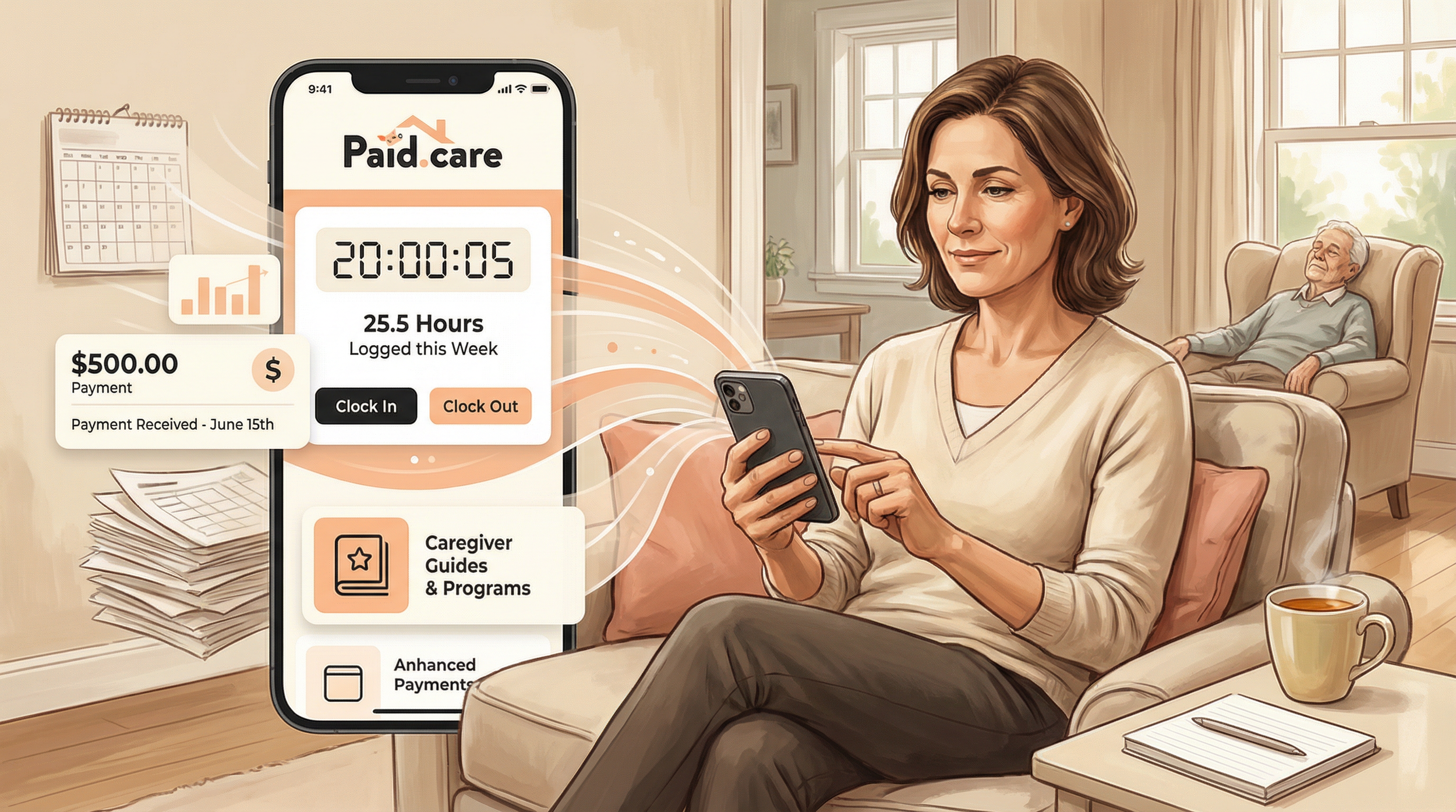
The Paid.care app is designed to assist family caregivers in managing their caregiving responsibilities and payments effectively. This app provides a user-friendly platform that simplifies the process of tracking hours worked, managing payments, and accessing resources.
What Features Does the Paid.care Mobile App Offer for Caregivers?
Time Tracking: Caregivers can easily log hours worked, ensuring accurate payment for services rendered.
Payment Management: The app facilitates payment processing, making it easier for caregivers to receive compensation promptly.
Resource Access: Users can access a wealth of resources, including guides on caregiving best practices and information on available programs.
How Does the App Streamline Your Transition to Paid Caregiving?
By using the Paid.care app, caregivers can streamline their transition to paid caregiving. The app's features help caregivers stay organized and informed, reducing the administrative burden often associated with managing caregiving responsibilities. This allows caregivers to focus more on providing quality care to their loved ones.
What Compensation and Financial Benefits Can You Expect as a Paid Caregiver?
Understanding the compensation and financial benefits available to paid caregivers is essential for those considering this transition. Compensation can vary significantly based on the state, the specific program, and the level of care provided.
How Are Caregiver Pay Rates Determined Across States Like Indiana, Michigan, and Illinois?
Caregiver pay rates are influenced by several factors, including state regulations, the type of care provided, and the funding available through specific programs. For example, states like Indiana, Michigan, and Illinois may have different pay structures based on their Medicaid programs. Typically, pay rates can range from approximately $12 to $25 per hour, depending on these variables and the specific program.
Why Is a Caregiver Contract Agreement Important for Payment Security?
A caregiver contract agreement is crucial for ensuring payment security. This document outlines the terms of the caregiving arrangement, including payment rates, responsibilities, and expectations. Having a formal agreement helps protect both the caregiver and the care recipient, providing clarity and reducing the potential for disputes.
What Additional Support and Resources Are Available for Paid Family Caregivers?
In addition to financial compensation, various support resources are available for paid family caregivers. These resources can help caregivers manage their responsibilities and improve their caregiving skills.
How Can Veteran Directed Care Programs Benefit Family Caregivers?
Veteran Directed Care programs offer unique benefits for family caregivers of veterans. These programs provide funding for caregivers to receive training and support, ensuring they have the necessary skills to provide high-quality care. Additionally, these programs often allow for more flexibility in how care is provided, enabling caregivers to tailor their approach to the specific needs of the veteran.
Where Can You Find State-Specific Guides and Caregiver Training?
State-specific guides and caregiver training resources can often be found through local government websites, nonprofit organizations, and caregiving support groups. These resources provide valuable information on best practices, legal requirements, and available support services, helping caregivers enhance their skills and knowledge.
FAQs
-
It means moving from informally helping a family member for free to receiving compensation through an approved program, agency, or payment arrangement. In many cases, families pursue paid caregiving through state Medicaid waiver programs, structured family caregiving options, or other caregiver support pathways. The goal is to help family caregivers continue providing care without taking on all the financial strain alone.
-
A strong starting point is:
(1) confirm the care recipient’s eligibility (such as Medicaid status, age, disability, or medical need),
(2) identify programs available in your state that allow family caregiver pay, and
(3) document the care being provided (hours, tasks, and level of support needed).
These three steps help families understand whether payment is possible and what paperwork or assessments may be required next. -
In many situations, yes—but eligibility depends on your state, the care recipient’s program, and the relationship rules of that program. Some programs allow adult children or other relatives to be paid caregivers, while others have restrictions (especially for spouses or legal guardians). Because rules vary, it is important to check the specific requirements before assuming a family member qualifies for compensation.
-
Most families should be prepared to gather basic records such as proof of identity, medical or care-related documentation, program eligibility information, and a clear record of caregiving tasks and hours. Some programs may also require an assessment, care plan, background check, or enrollment paperwork. Keeping everything organized early can make the transition smoother and reduce delays during the approval process.

