
Affordable Nutrition and Meal Prep Strategies for Seniors on a Budget
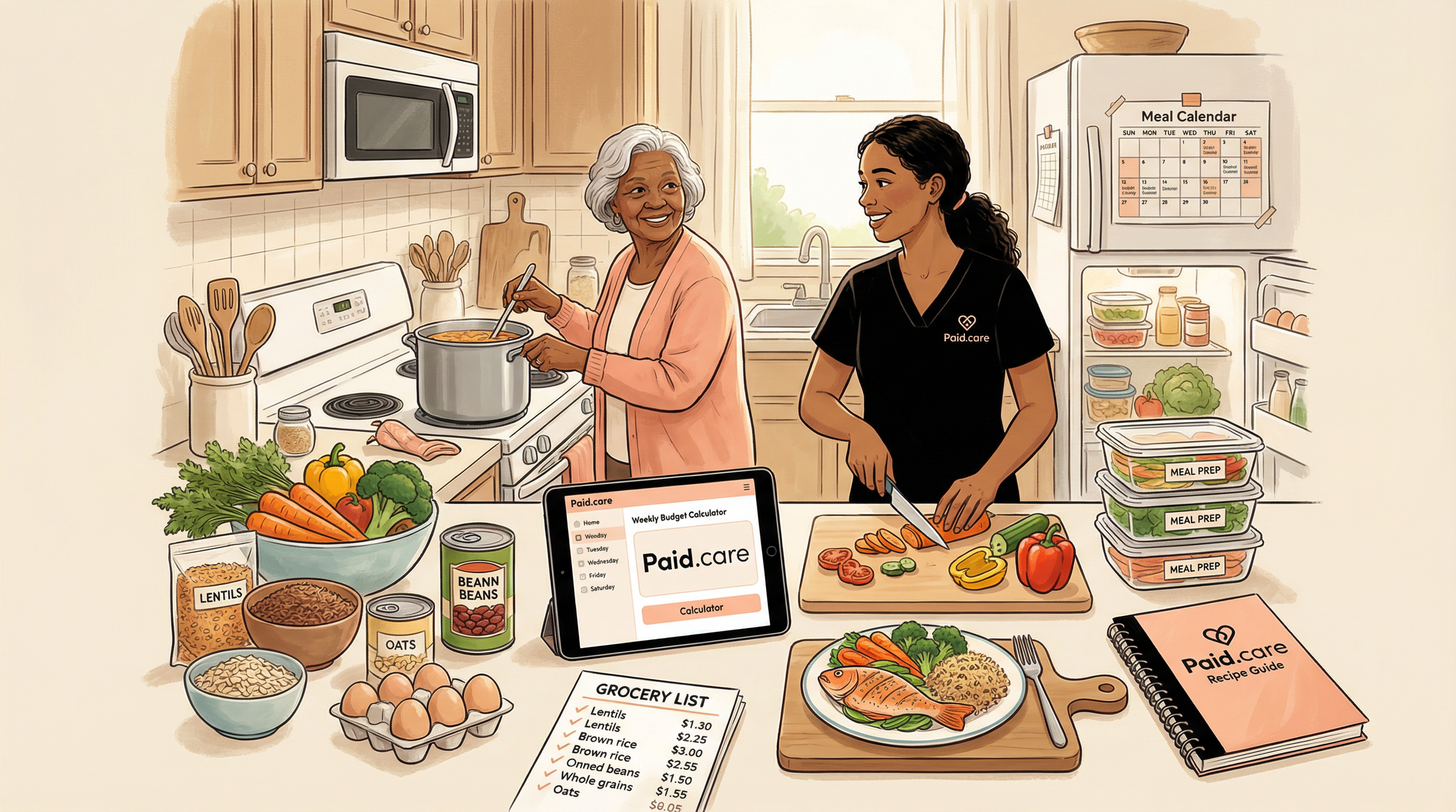
As seniors navigate the complexities of aging, maintaining a nutritious diet becomes increasingly important, yet often challenging due to budget constraints. This article explores effective strategies for nutrition and meal preparation that cater specifically to seniors on a budget. Readers will learn how to plan affordable meals, understand essential nutrients, and access food assistance programs, ensuring they can enjoy healthy eating without financial strain. By addressing common challenges faced by seniors, this guide aims to provide practical solutions that enhance their overall well-being. Key sections include budget-friendly meal preparation tips, senior nutrition guidelines, accessing SNAP benefits, and resources for family caregivers.
What Are Budget-Friendly Meal Preparation Tips for Seniors?
Budget-friendly meal preparation is essential for seniors looking to maintain a healthy diet without overspending. Effective meal planning can significantly reduce food waste and ensure that meals are both nutritious and economical. By focusing on seasonal ingredients and batch cooking, seniors can create meals that are not only affordable but also delicious and satisfying.
Plan Meals Ahead: Creating a weekly meal plan helps in organizing grocery shopping and reduces impulse purchases. This strategy allows seniors to make informed choices about their meals, ensuring they stick to their budget.
Use Seasonal Ingredients: Seasonal produce is often cheaper and fresher. Incorporating fruits and vegetables that are in season can enhance the flavor of meals while keeping costs low.
Batch Cooking and Freezing: Preparing larger quantities of meals and freezing portions for later use can save time and money. This method also helps in utilizing ingredients fully, minimizing waste.
How to Plan Affordable Senior Meal Plans Effectively
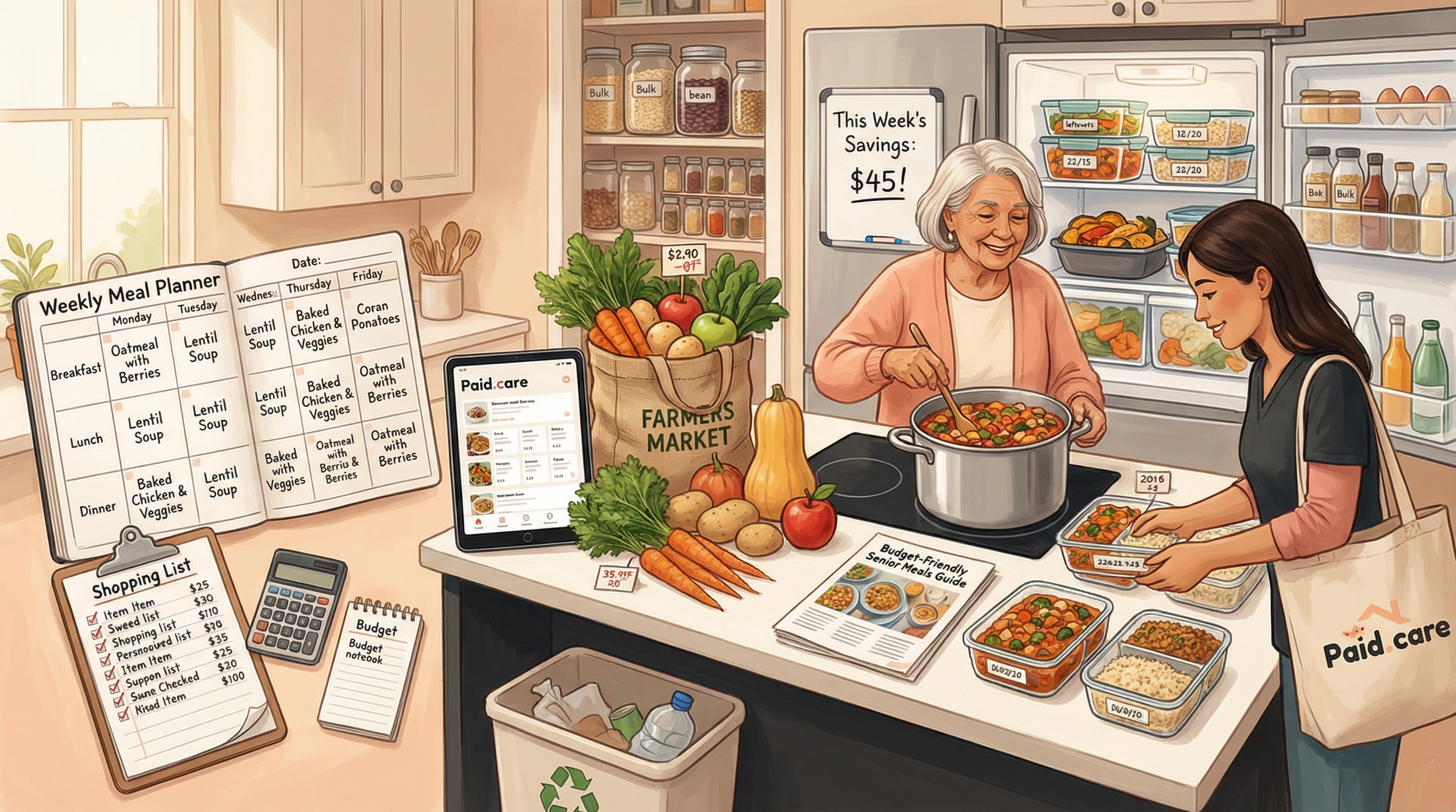
Planning affordable meal plans involves several key strategies that can help seniors manage their food budgets effectively. Creating a weekly meal plan allows for better organization and can lead to healthier eating habits.
Creating a Weekly Meal Plan: Start by listing meals for the week, including breakfast, lunch, and dinner. This helps in identifying necessary ingredients and reduces the likelihood of last-minute takeout.
Incorporating Leftovers: Utilize leftovers creatively by transforming them into new meals. For example, roasted vegetables can be added to soups or salads, ensuring nothing goes to waste.
Shopping Lists for Budget Management: Prepare a shopping list based on the meal plan to avoid unnecessary purchases. Sticking to the list can help maintain focus and control over spending.
Which Senior Nutrition Guidelines Support Healthy Eating on a Budget?
Understanding nutrition guidelines is crucial for seniors to ensure they meet their dietary needs while managing costs. These guidelines emphasize the importance of balanced meals that include a variety of food groups.
Understanding Portion Sizes: Seniors should be aware of appropriate portion sizes to avoid overeating and ensure they are consuming the right amount of nutrients.
Choosing Nutrient-Dense Foods: Focusing on foods that provide the most nutrients for the least amount of calories is essential. This includes whole grains, lean proteins, fruits, and vegetables.
Balancing Food Groups: A balanced diet should include a variety of food groups to ensure all nutritional needs are met. This includes carbohydrates, proteins, fats, vitamins, and minerals.
What Are Essential Nutrients for Elderly Nutrition on a Budget?
Seniors require specific nutrients to maintain their health, and understanding these can help in making informed food choices that fit within a budget.
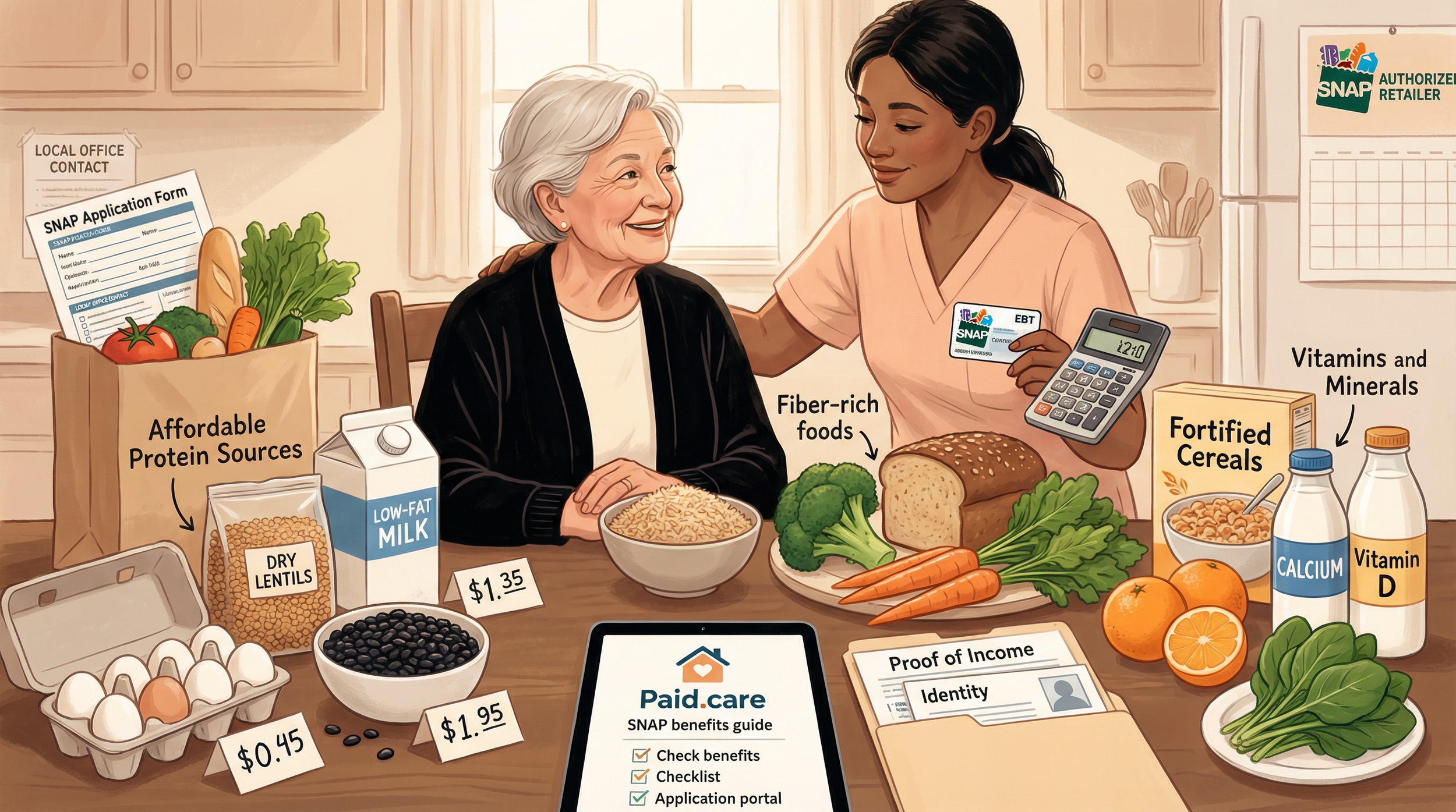
Protein Sources: Incorporating affordable protein sources such as beans, lentils, eggs, and low-fat dairy can help meet daily protein needs without breaking the bank.
Fiber-Rich Foods: Foods high in fiber, like whole grains and vegetables, are not only cost-effective but also promote digestive health and satiety.
Vitamins and Minerals: Ensuring adequate intake of vitamins and minerals, particularly calcium and vitamin D, is vital for bone health. Fortified foods and low-cost dairy options can help meet these needs.
How Can Seniors Access SNAP Benefits for Food Assistance?
The Supplemental Nutrition Assistance Program (SNAP) provides essential food assistance to eligible seniors, helping them afford nutritious meals. Understanding how to access these benefits can significantly alleviate financial burdens.
Overview of SNAP Benefits: SNAP benefits can be used to purchase most food items at authorized retailers, making it easier for seniors to access healthy food options.
Application Process: Seniors can apply for SNAP benefits online, by mail, or in person at local offices. The application process typically requires proof of income, residency, and identity.
Eligibility Criteria: Eligibility for SNAP is based on income, household size, and certain expenses. Seniors should check their eligibility to take advantage of this valuable resource.
Who Qualifies for Paid Family Caregiver Programs Supporting Senior Nutrition?
Paid family caregiver programs can provide financial support to family members who assist seniors with their nutritional needs. Understanding who qualifies for these programs can help families access necessary resources.
Types of Caregiver Programs: Various programs exist that offer compensation for family caregivers, including Medicaid waiver programs and state-specific initiatives, helping to alleviate the financial burden of caregiving.
Eligibility Criteria: Eligibility often depends on the senior's level of care needed, the caregiver's relationship to the senior, and the specific program's requirements.
Benefits of These Programs: These programs not only provide financial assistance but also recognize the vital role family caregivers play in supporting senior nutrition.
How to Apply for Paid Family Caregiver Programs
Required Documentation: Gather necessary documents, including proof of relationship, the senior's care needs, and any medical or functional assessments.
Application Steps: Complete the application process through the appropriate state or local agency, ensuring all required information is provided.
Follow-Up Procedures: After submitting the application, follow up to check on the status and provide any additional information if requested.
What Resources and Support Are Available for Family Caregivers Managing Senior Nutrition?
Family caregivers play a crucial role in managing the nutrition of seniors, and various resources are available to support them in this task.
Local Food Banks: Many communities have food banks that provide free or low-cost food options for seniors and their caregivers.
Meal Delivery Services: Services such as Meals on Wheels deliver prepared meals to seniors, helping ensure they receive nutritious food without the need for extensive meal preparation.
Online Resources: Numerous websites offer tips, recipes, and meal planning tools specifically designed for seniors and their caregivers.
How to Use Meal Prep Tools and Infographics for Budget Management
Meal Prep Apps: Utilizing apps designed for meal planning can streamline the process, making it easier to create shopping lists and track expenses.
Infographics for Budgeting: Visual aids can help caregivers understand portion sizes, nutritional needs, and budgeting strategies at a glance.
Community Resources: Engaging with local community programs can provide additional support and resources for managing senior nutrition effectively.
By implementing these strategies, seniors and their caregivers can navigate the challenges of maintaining a nutritious diet on a budget, ensuring that healthy eating remains accessible and affordable.
FAQs
-
Seniors can eat well on a budget by focusing on simple, nutrient-dense staples such as oats, eggs, beans, lentils, brown rice, frozen vegetables, canned tuna or salmon, yogurt, and seasonal produce. Buying store brands, choosing frozen fruits and vegetables, and planning meals around weekly sales can significantly reduce grocery costs. The key is to build balanced meals with protein, fiber, and healthy fats while avoiding expensive convenience foods.
-
A good approach is to prep a few basics in batches each week, such as cooked grains, roasted vegetables, soup, shredded chicken, or bean dishes, and mix them into different meals. This reduces food waste, cuts down on daily cooking, and makes it easier to stick to a budget. Seniors and family caregivers can also portion meals into containers for easy lunches and dinners throughout the week.
-
Caregivers can start by creating a weekly meal plan based on the senior’s health needs, appetite, and budget, then build a shopping list from that plan. For example, meals may need to support diabetes, heart health, low-sodium needs, or softer textures for easier chewing. Planning ahead helps avoid last-minute purchases and makes it easier to choose lower-cost foods that still support nutrition and overall health.
-
Budget-friendly options include vegetable soup with beans, oatmeal with fruit and peanut butter, egg-and-veggie scrambles, baked potatoes with cottage cheese, tuna salad sandwiches, rice bowls with chicken and frozen vegetables, and lentil stew. These meals are typically affordable, easy to prepare, and flexible based on what is on sale. They can also be made in larger portions and stored for later use.

