
Caregiving Fatigue: Recognizing Symptoms and Preventing Burnout for Family Caregivers
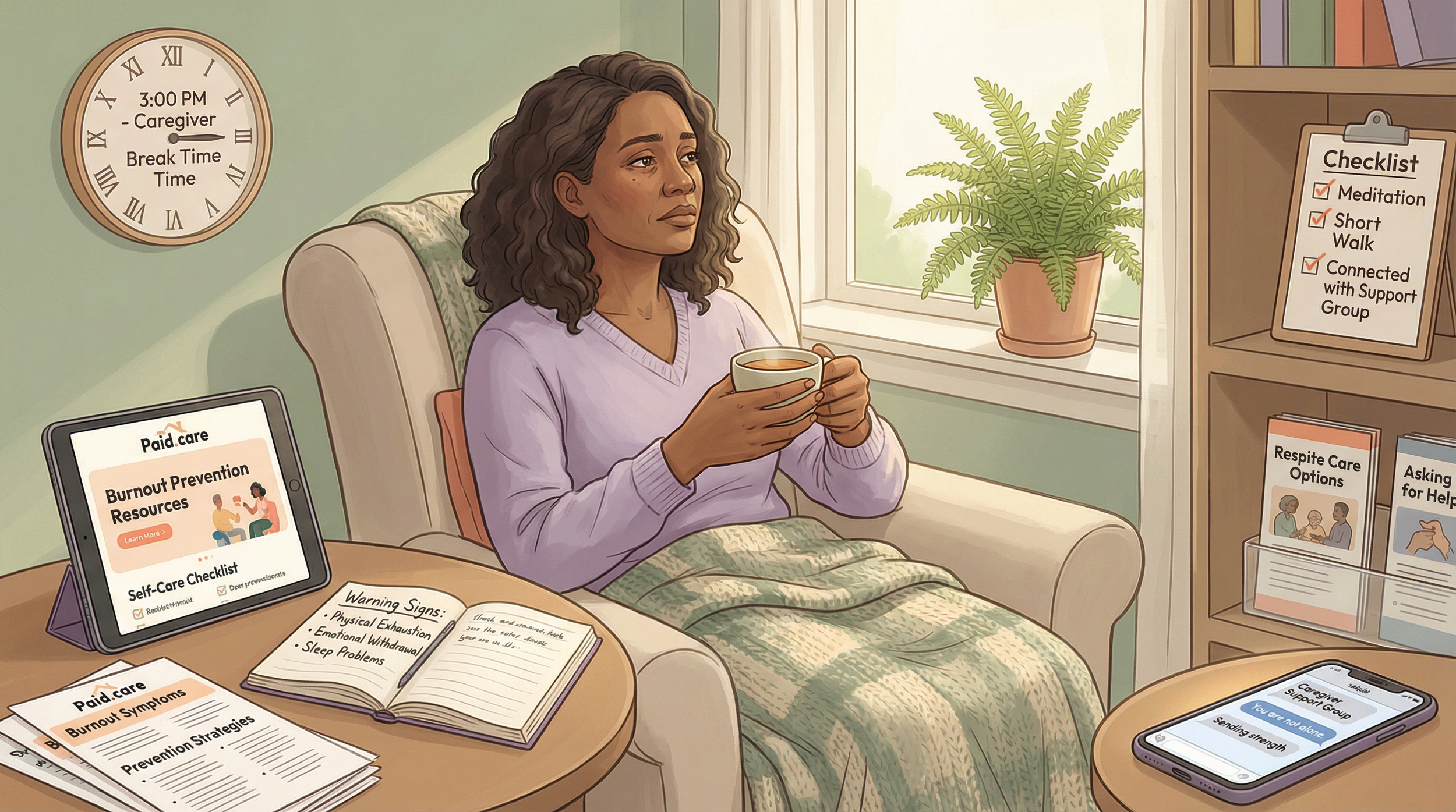
Caregiving can be a rewarding experience, but it often comes with significant emotional and physical challenges. Many family caregivers face a unique set of stressors that can lead to caregiving fatigue, a state of emotional, mental, and physical exhaustion. This article aims to help caregivers recognize the symptoms of burnout and explore effective strategies for prevention. By understanding the signs of caregiving fatigue, caregivers can take proactive steps to maintain their well-being and provide better care for their loved ones. We will discuss common symptoms of caregiver burnout, self-care strategies, the role of respite care, and available support resources.
Further research emphasizes the critical importance of understanding and addressing caregiver burnout to protect both the caregiver's health and the patient's well-being.
Preventing Caregiver Burnout: Risks & Management Caring for patients with major neurocognitive disorders, other neuropsychiatric disorders, or functional impairments can lead to caregiver burnout, resulting in premature nursing home placement of the patient and increased risk for physical health problems and mortality in the caregiver. This chapter discusses risk factors and management strategies to help prevent early nursing home placement due to caregiver burnout, to prevent deterioration of caregiver health related to the burden of caregiving, and to reduce adverse health outcomes for patients. Caregiver burnout, 2017
What Are the Common Symptoms and Signs of Caregiver Burnout?
Caregiver burnout manifests through various emotional and physical symptoms that can significantly impact a caregiver's quality of life. Recognizing these signs early is crucial for effective management and prevention.
How to Identify Emotional Exhaustion and Physical Fatigue in Caregivers
Emotional exhaustion in caregivers often presents as feelings of being overwhelmed, drained, and unable to cope. Physical fatigue may include persistent tiredness, sleep disturbances, and a general lack of energy. These symptoms can hinder a caregiver's ability to perform daily tasks and provide adequate care. Understanding these signs is the first step toward addressing caregiver fatigue effectively.
What Are the Signs of Caregiver Stress and Mental Health Challenges
Caregiver stress can lead to various mental health challenges, including anxiety and depression. Common signs include irritability, mood swings, and withdrawal from social activities. Studies indicate that caregivers are at a higher risk for mental health issues compared to non-caregivers. Recognizing these signs early can help caregivers seek the necessary support and interventions.

How Can Caregivers Prevent Fatigue and Manage Exhaustion Effectively?
Preventing caregiver fatigue requires a proactive approach that includes self-care and support systems. Caregivers must prioritize their well-being to sustain their ability to care for others.
What Self-Care Strategies Help Reduce Caregiver Burnout?
Implementing self-care strategies is essential for caregivers. Effective techniques include:
Regular Exercise: Engaging in physical activity can boost mood and energy levels.
Mindfulness Practices: Techniques such as meditation and deep breathing can reduce stress and enhance emotional resilience.
Setting Boundaries: Learning to say no and delegating tasks can help manage workload and prevent overwhelm.
These strategies can significantly reduce the risk of burnout and improve overall well-being.
How Does Respite Care Support Caregiver Wellbeing?
Respite care provides temporary relief for caregivers, allowing them to take breaks and recharge. This type of care can be crucial for maintaining mental and physical health. Benefits of respite care include:
Reduced Stress: Caregivers can take time off to focus on their own needs.
Improved Relationships: Time away can help caregivers reconnect with family and friends.
Enhanced Care Quality: Well-rested caregivers are often more effective in their caregiving roles.
Understanding the importance of respite care can empower caregivers to seek the support they need.
What Medicaid and Medicaid Waiver Programs Support Caregivers in Indiana, Michigan, and Illinois?
Medicaid and Medicaid waiver programs provide essential support for caregivers, offering financial assistance and access to services that can alleviate some of the burdens of caregiving.
The broader public health implications of caregiver burnout necessitate a comprehensive look at policies and support systems designed to mitigate its negative impacts.
Addressing Caregiver Burnout: Policies & Support Systems Informal caregiver burnout has been and will continue to be a significant public health concern in the United States, necessitating a comprehensive analysis of initiatives and policies to reduce its negative impacts. This paper provides an overview of existing approaches to address caregiver burnout at the individual, community, and national level, identifying critical gaps in policies and programs. By highlighting successful approaches in other developed countries, this paper presents comprehensive program and policy recommendations to strengthen informal caregiver support systems in the United States. Addressing Informal Caregiver Burnout in the United States: Policies, Interventions, and Recommendations, 2025
Who Is Eligible for Medicaid Waivers in These States?
Eligibility for Medicaid waivers varies by state but generally includes individuals who meet specific income and care needs criteria. In Indiana, Michigan, and Illinois, individuals who qualify for Medicaid and require certain levels of care may be eligible for waivers that provide funding for home care services, allowing them to receive support while remaining in their homes.
How Do Medicaid Waivers Provide Home Care Services to Caregivers?
Medicaid waivers can cover a range of home care services, including personal care assistance, respite care, and home modifications. These services help caregivers manage their responsibilities more effectively and ensure that their loved ones receive the care they need. Understanding the specifics of these programs can help caregivers access valuable resources.

Where Can Caregivers Find Support Resources to Manage Stress and Fatigue?
Finding support is crucial for caregivers dealing with stress and fatigue. Numerous resources are available to help caregivers navigate their challenges.
What Mental Health and Emotional Support Services Are Available?
Mental health services for caregivers may include counseling, support groups, and therapy. These services provide a safe space for caregivers to express their feelings and receive guidance. Accessing these resources can significantly improve mental health and overall well-being.
How Do Caregiver Support Groups and Organizations Help?
Caregiver support groups offer a community of understanding and shared experiences. These groups can provide emotional support, practical advice, and a sense of belonging. Many organizations also offer educational resources and workshops to help caregivers develop coping strategies and improve their caregiving skills.
FAQs
-
Caregiving fatigue is ongoing physical, mental, and emotional exhaustion caused by the long-term demands of caring for a loved one. Unlike everyday stress, it does not always go away with a good night of sleep or a short break. Family caregivers may feel constantly drained, overwhelmed, irritable, or emotionally numb, especially when caregiving responsibilities continue without enough support.
-
Common signs of caregiver burnout include chronic tiredness, trouble sleeping, anxiety, mood swings, frustration, sadness, and feeling like you are “running on empty.” Some caregivers also notice changes in appetite, headaches, body tension, trouble concentrating, or withdrawal from friends and activities. Burnout can also show up as resentment, guilt, or feeling hopeless about caregiving, which is a sign that more support is needed.
-
Caregiving fatigue often gets worse when one person is handling too much alone for too long. Lack of sleep, limited family help, financial stress, work-caregiving conflicts, and high medical or emotional needs can all increase burnout risk. It can also build up when caregivers ignore their own health appointments, skip breaks, or feel pressure to “do everything” without asking for help.
-
Prevention starts with realistic routines and support. Caregivers can reduce burnout by scheduling regular breaks, asking siblings or friends to help with specific tasks, using respite care when available, and setting boundaries around what they can and cannot do. It also helps to track medications, appointments, and daily care needs in an organized way so caregiving feels more manageable instead of chaotic.

