
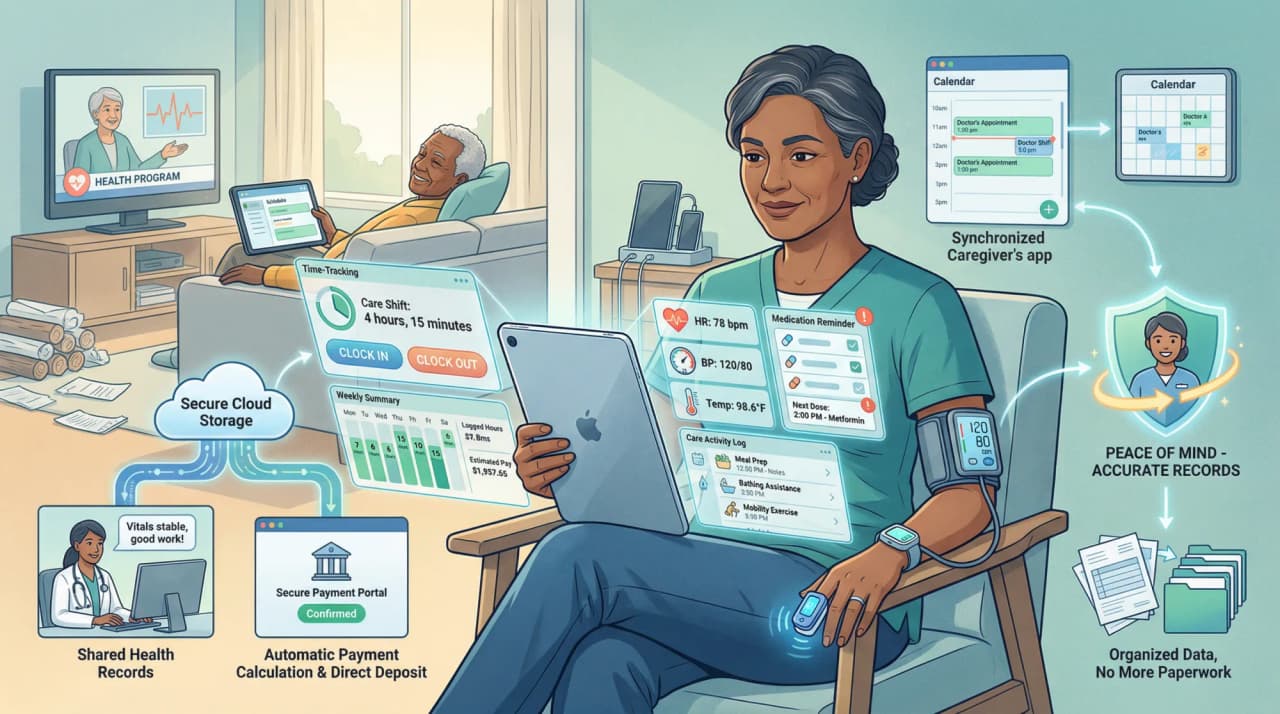
In the evolving landscape of caregiving , technology plays a pivotal role in enhancing the efficiency and effectiveness of care provided by family members. This article explores the best apps available for caregivers to track hours and vital signs, ensuring that both caregivers and their loved ones receive the support they need. Readers will learn about the challenges faced by caregivers , the key features of effective apps , and how technology can streamline the payment process for caregiving services.
Family caregivers often struggle with managing time, tracking care hours, and ensuring accurate payment for their services. Fortunately, various caregiver apps are designed to address these challenges, improving accuracy and efficiency in caregiving tasks. This guide will delve into how technology empowers caregivers, the specific features of the Paid.care app , and best practices for tracking hours and vitals accurately.
This perspective highlights the broader challenges and opportunities in integrating family caregivers with health information technology.
Engaging Family Caregivers with Health IT Solutions Health information technology has been embraced as a strategy to facilitate patients’ access to their health information and engagement in care. However, not all patients are able to access, or are capable of using, a computer or mobile device. Although family caregivers assist individuals with some of the most challenging and costly health needs, their role in health information technology is largely undefined and poorly understood. This perspective discusses challenges and opportunities of engaging family caregivers through the use of consumer-oriented health information technology. Family caregivers and consumer health information technology, JL Wolff, 2016
How Can Technology Empower Family Caregivers in Tracking Hours and Vitals?
Technology significantly enhances the ability of family caregivers to manage care effectively. By utilizing caregiver apps, caregivers can streamline their tasks, ensuring that they accurately track hours worked and vital signs monitored. This not only improves the quality of care but also alleviates some of the stress associated with caregiving responsibilities.
What Challenges Do Family Caregivers Face in Managing Care and Payments?
Family caregivers often encounter several challenges, including time management issues and difficulties in tracking payments. Many caregivers juggle multiple responsibilities, making it hard to keep accurate records of the hours they work. Additionally, without proper tracking, caregivers may face payment disputes, leading to financial stress.
How Do Caregiver Apps Improve Accuracy and Efficiency in Caregiving?
Caregiver apps enhance accuracy and efficiency by providing tools for real-time tracking of hours and vital signs. These apps often include features such as reminders for medication administration and easy logging of care activities. For instance, caregivers can quickly input data on vital signs, ensuring that they have a comprehensive record of their loved one's health status. This streamlined approach not only saves time but also reduces the likelihood of errors in record-keeping.
The effectiveness of these digital tools, particularly for symptom tracking, relies heavily on consistent user engagement and timely data capture.
Mobile Apps for Caregivers: Tracking Symptoms & Engagement Mobile phone applications (“apps”) are potentially an effective, low-burden method to collect patient-reported outcomes outside the clinical setting. Using such apps consistently and in a timely way is critical for complete and accurate data capture, but no studies of concurrent reporting by cancer patient–caregiver dyads have been published in the peer-reviewed literature. This study assessed app engagement, defined as adherence, timing, and attrition with two smartphone applications, one for adult cancer patients and one for their informal caregivers. Mobile app activity engagement by cancer patients and their caregivers informs remote monitoring, A Kubo, 2024
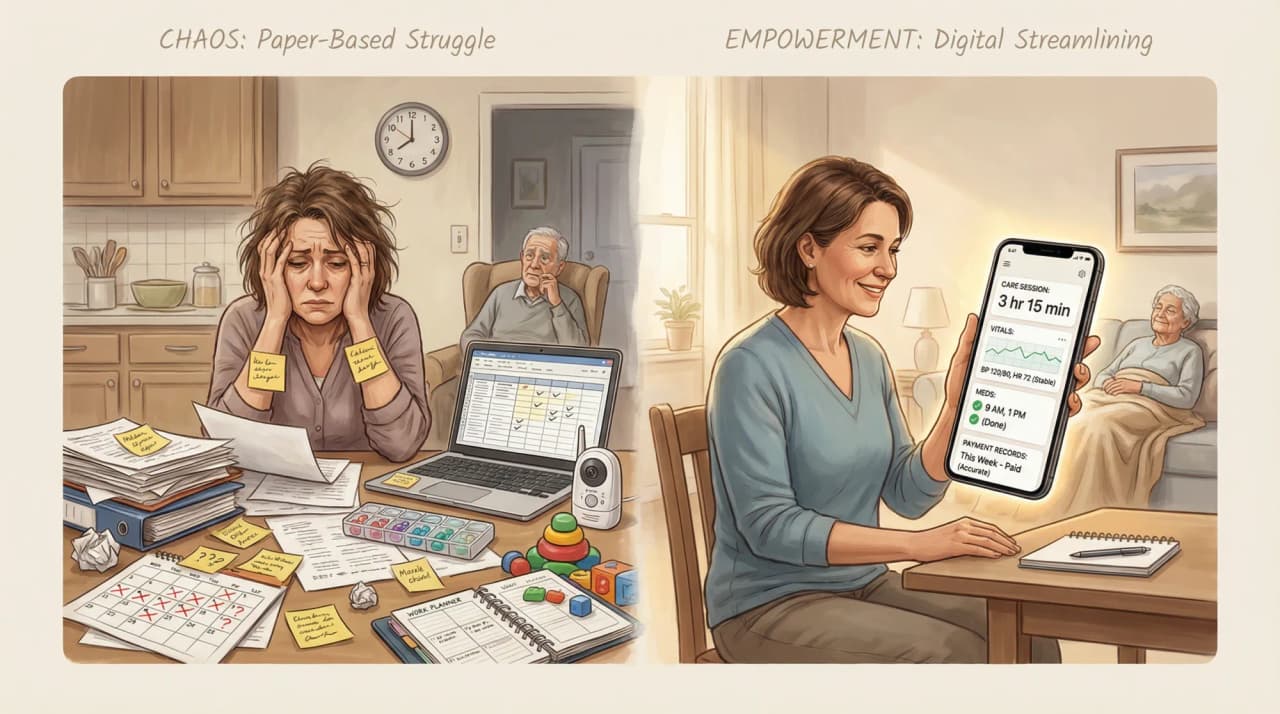
What Are the Key Features of the Paid.care App for Caregiver Hours and Vitals Tracking?
How Does the Paid.care App Simplify Clocking In and Out for Care Hours?
The Paid.care app simplifies the clocking in and out process by allowing caregivers to log their hours with just a few taps. This ease of use ensures that caregivers can focus more on providing care rather than managing paperwork. The app also provides reminders to clock in and out, helping to maintain accurate records.
How Does the App Support Remote Patient Monitoring and Vitals Tracking?
The Paid.care app supports remote patient monitoring by enabling caregivers to track vital signs such as heart rate, blood pressure, and temperature. This feature is crucial for caregivers who need to monitor their loved ones' health closely. By having access to this data, caregivers can make informed decisions about when to seek medical assistance, ensuring timely intervention when necessary.
How Can Family Caregivers Get Paid Using Technology and Government Programs?
Technology plays a vital role in helping family caregivers navigate payment processes through government programs. Understanding eligibility and application processes is essential for caregivers seeking compensation for their services.
What Is the Eligibility Process for Medicaid and Veteran Caregiver Payment Programs?
To qualify for Medicaid and veteran caregiver payment programs, caregivers must meet specific eligibility criteria. This typically includes providing documentation of the care provided and demonstrating the need for assistance. The application process can vary by state, but generally involves submitting forms and supporting documents to the relevant authorities.
How Does Accurate Hours Tracking Ensure Timely Weekly Payments?
Accurate tracking of hours worked is crucial for ensuring timely payments. When caregivers log their hours consistently, it minimizes disputes and ensures that they receive compensation promptly. Many government programs require precise records to process payments, making the use of caregiver apps invaluable in this regard.
Which Remote Patient Monitoring Devices and Apps Best Support Family Caregivers?
Remote patient monitoring (RPM) devices and apps are essential tools for family caregivers, allowing them to track vital signs and health metrics from home. These technologies enhance the caregiving experience by providing real-time data.
What Types of Vitals Can Caregivers Track Remotely for Elderly and Disabled Loved Ones?
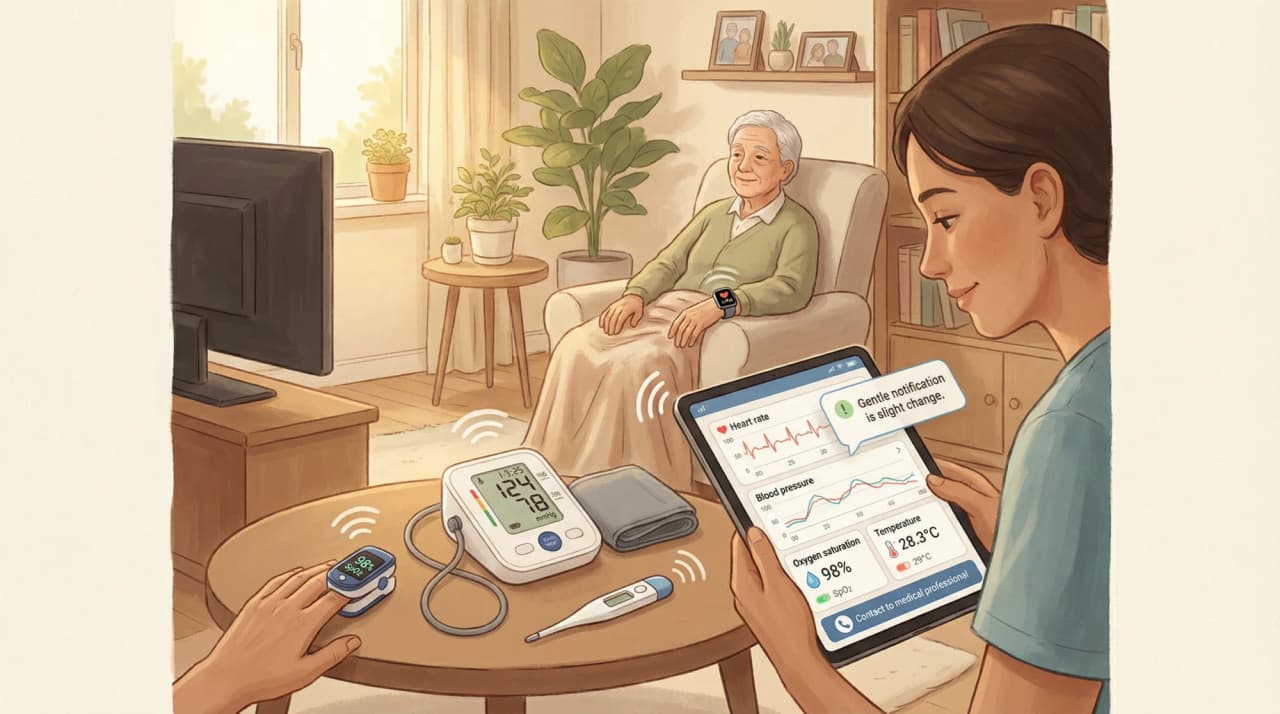
Caregivers can track various vital signs remotely, including heart rate, blood pressure, oxygen saturation, and temperature. These metrics are crucial for monitoring the health of elderly and disabled loved ones, enabling caregivers to respond quickly to any changes in their condition.
How Do RPM Devices Integrate with Caregiving Apps for Holistic Care Management?
RPM devices often integrate seamlessly with caregiving apps, allowing for a comprehensive view of a patient's health. This integration enables caregivers to receive alerts and notifications based on the data collected, facilitating proactive care management. By having all relevant health information in one place, caregivers can make informed decisions about their loved ones' care.
What Best Practices Should Caregivers Follow for Tracking Hours and Vitals Accurately?
To ensure accurate tracking of hours and vitals, caregivers should adopt specific best practices that enhance their efficiency and reliability.
How Can Caregivers Use Timesheet Apps and Logs to Avoid Payment Disputes?
Using timesheet apps and logs can help caregivers maintain accurate records of their hours worked. By consistently logging their time, caregivers can avoid disputes over payment and ensure they are compensated fairly for their services. Digital logs also provide a clear history of care provided, which can be beneficial for both caregivers and families.
What Tips Help Maintain Consistent and Reliable Vitals Monitoring at Home?
To maintain consistent and reliable vitals monitoring, caregivers should establish a routine for checking and recording vital signs. Setting reminders and using automated devices can help ensure that monitoring occurs regularly. Additionally, caregivers should familiarize themselves with the normal ranges for vital signs to identify any concerning changes promptly.
How Does Home Care Management Software Support Families in Coordinating Paid Care?
Home care management software is an invaluable resource for families coordinating paid care. These platforms facilitate communication and organization among caregivers, families, and care coaches.
What Features Facilitate Communication Between Caregivers, Families, and Care Coaches?
Effective home care management software includes features that enhance communication, such as messaging systems and shared calendars. These tools allow caregivers and families to stay informed about care schedules, medication administration, and any changes in the patient's condition. Improved communication fosters collaboration and ensures that everyone involved in the care process is on the same page.
How Does Technology Reduce Caregiver Stress and Improve Work-Life Balance?
Technology can significantly reduce caregiver stress by automating routine tasks and providing easy access to information. By streamlining processes such as scheduling and record-keeping, caregivers can focus more on providing quality care rather than getting bogged down in administrative duties. This balance is crucial for maintaining the well-being of caregivers, allowing them to manage their responsibilities more effectively.
The features of the Paid.care app illustrate how technology can enhance the caregiving experience, making it easier for caregivers to manage their responsibilities while ensuring their loved ones receive the best possible care.
FAQs
1. Why should caregivers use an app to track hours and vitals?
Caregiver apps help track work hours, daily care tasks, and basic health information in one place. This documentation supports paid family caregiving programs, Medicaid requirements, and employer verification. Using an app also reduces paperwork errors and helps caregivers stay organized.
2. How does the Paid.Care app support paid family caregivers?
The Paid.Care app allows caregivers to log hours worked, document care tasks, and record basic vitals when required by a program. This information helps support payment eligibility, care compliance, and ongoing care coordination. The app is built to support family caregivers who receive compensation for in-home care.
3. Can caregiver apps help with Medicaid and state program requirements?
Yes. Many paid family caregiving programs require consistent documentation of care hours and services provided. The Paid.Care app helps caregivers keep accurate records that may be needed for Medicaid waiver programs, structured family caregiving, or other state-supported payment models.
4. Are caregiver tracking apps difficult to use?
Most caregiver apps are designed for ease of use. The Paid.Care app focuses on simple tracking tools that work on mobile devices, making it accessible for caregivers with varying levels of technical experience. Clear entries and reminders help caregivers stay compliant without adding stress.