
Essential Skills for Caregiving: A Practical Guide for Unpaid Family Caregivers
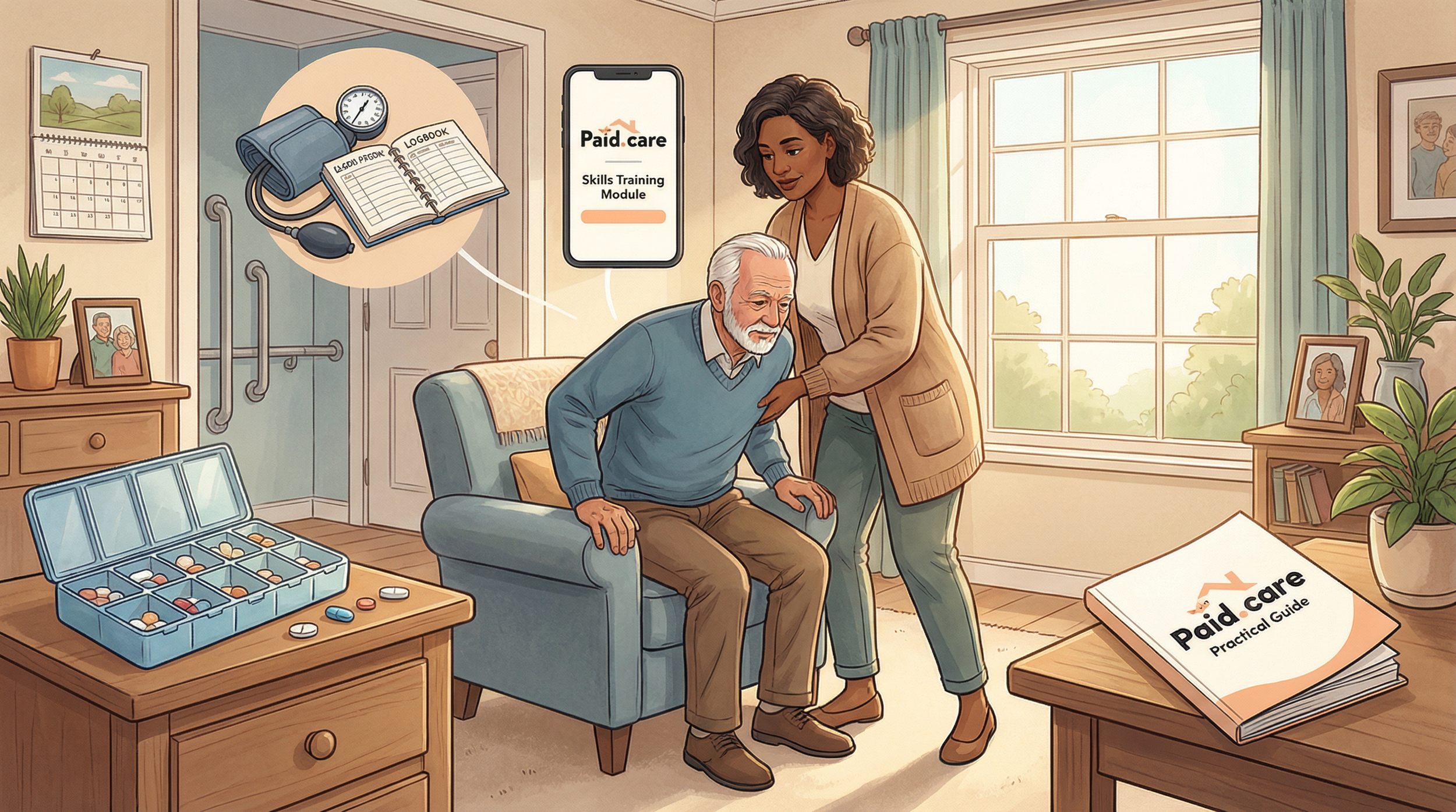
Caregiving is a vital role that requires a unique set of skills to ensure the well-being of loved ones. This guide explores essential skills for caregiving, focusing on communication, physical care techniques, medication management, and available resources. Unpaid family caregivers often face challenges such as emotional stress and the need for practical knowledge. By mastering these skills, caregivers can provide better support and improve the quality of life for their elderly or disabled family members. This article will cover key communication skills, physical care techniques, safe medication management, and resources available through Medicaid and waivers in Indiana, Michigan, and Illinois.
The significant role of unpaid family caregivers often comes with considerable burdens, underscoring the need for robust support systems and accessible resources.
Supporting Unpaid Family Caregivers: Burdens & Resources In 2009, nearly 66 million Americans (three in 10 U.S. households) reported at least one person providing unpaid care as a family caregiver. More adults with chronic conditions and disabilities are living at home than ever before, and family caregivers have an even higher level of responsibility. Caring for loved ones is associated with several benefits, including personal fulfillment. However, caregiving is also associated with physical, psychological, and financial burdens. Primary care physicians can aid in the identification, support, and treatment of caregivers by offering caregiver assessments—interviews directed at identifying high levels of burden—as soon as caregivers are identified. Repeat assessments may be considered when there is a change in the status of caregiver or care recipient. Caregivers should be directed to appropriate resources for support, including national caregiving organizations, local area agencies on aging, Web sites, and respite care. Caregiver care, 2011
What Are the Key Communication Skills Every Caregiver Should Master?
Effective communication is crucial for caregivers, as it fosters trust and understanding between caregivers and care recipients. Mastering communication skills enables caregivers to convey information clearly and respond to the emotional needs of those they care for. This skill set not only enhances the caregiving experience but also ensures that care recipients feel valued and understood.
Studies emphasize that effective communication is a cornerstone of quality care, particularly in challenging situations like dementia care.
Effective Communication Strategies for Family Caregivers Communication is fundamental for dementia care and identifying evidence for strategies that facilitate or impede communication is needed. We analyzed 221 videos from a randomized controlled trial of a family caregiver telehealth intervention (FamTechCare) using Noldus second-by-second behavioral coding of communication behaviors and breakdowns in interactions between 53 caregiver-person with dementia dyads. Determining evidence for effective family caregiver communication: strategies leading to breakdown and repair, K Williams, 2022
How to Effectively Communicate with Elderly and Disabled Loved Ones
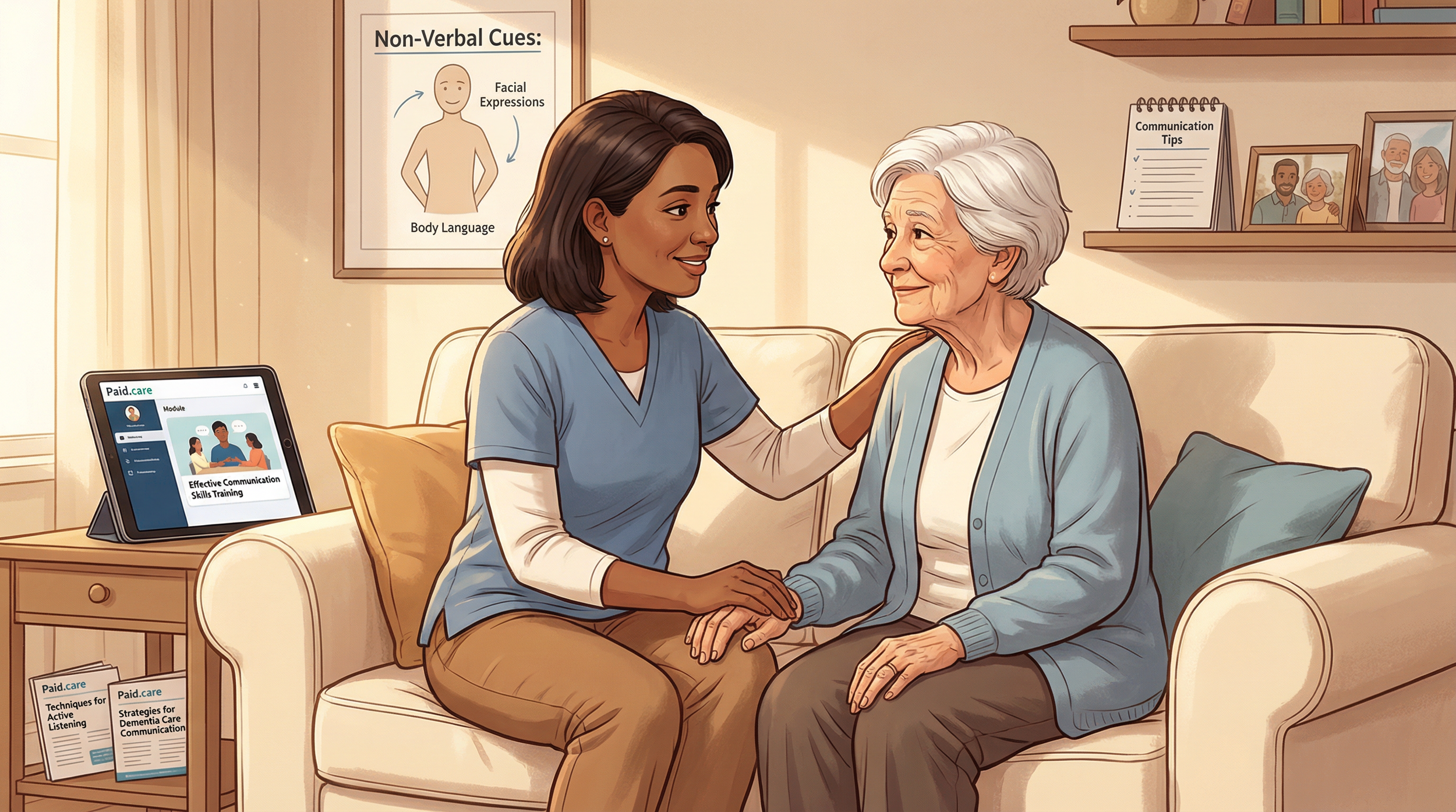
Communicating with elderly and disabled loved ones requires patience and adaptability. Caregivers should focus on understanding non-verbal cues, which can often convey more than words. Adapting communication styles to suit the individual needs of care recipients is essential. Building trust through consistent and respectful interactions can significantly improve the caregiver-care recipient relationship.
Techniques for Active Listening and Emotional Support
Active listening is a vital technique for providing emotional support. Caregivers should practice techniques such as maintaining eye contact, nodding, and summarizing what the care recipient has said to show understanding. Responding to emotions with empathy and validation creates a supportive environment, allowing care recipients to express their feelings openly. This approach not only strengthens the bond between caregiver and care recipient but also promotes emotional well-being.
Which Physical Care Techniques Are Essential for Home Care?
Physical care techniques are fundamental for caregivers, as they directly impact the comfort and safety of care recipients. Understanding these techniques helps caregivers provide effective assistance with daily living activities, ensuring that care recipients maintain their dignity and independence.
Safe Mobility and Transfer Methods for Care Recipients
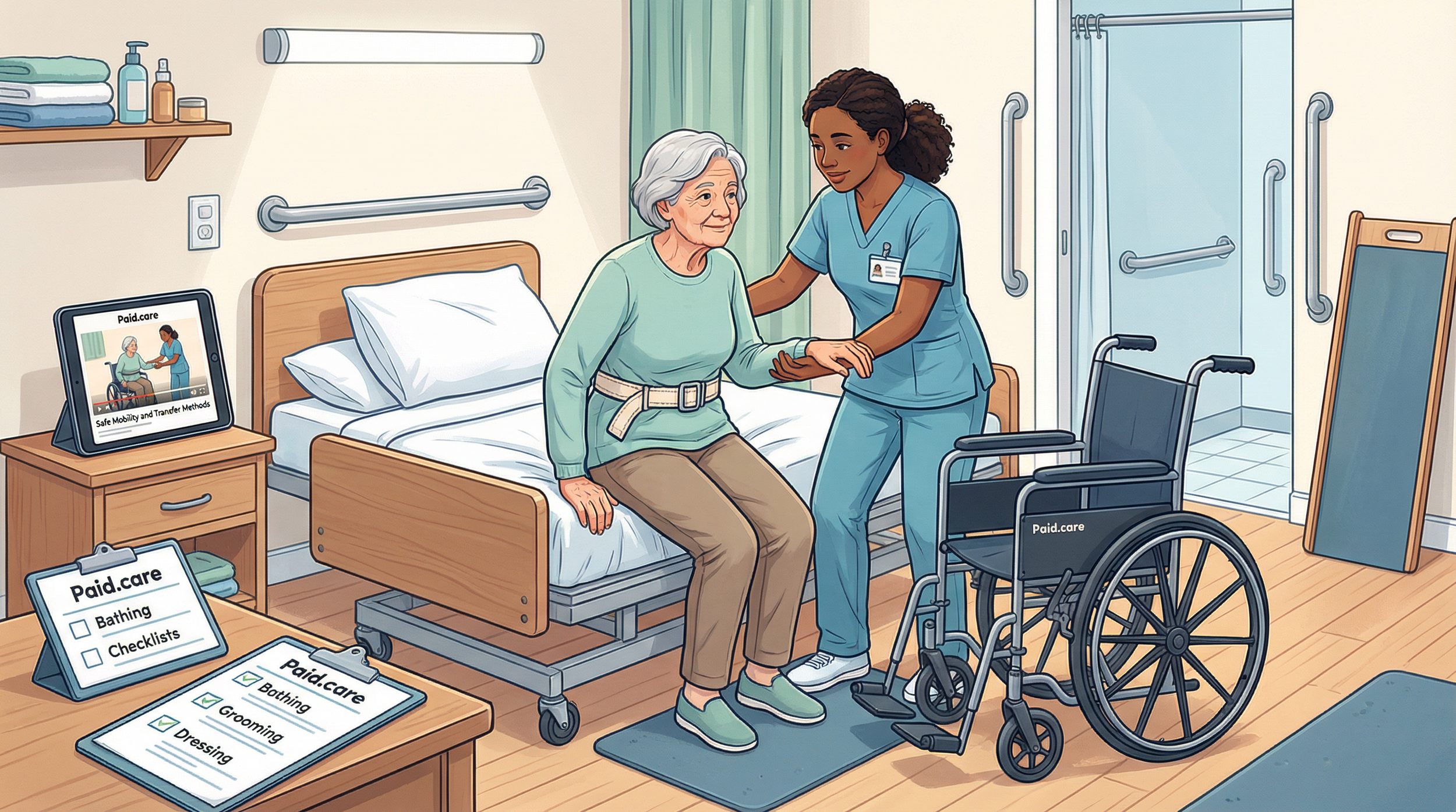
Safe mobility and transfer methods are critical for preventing injuries to both caregivers and care recipients. Caregivers should learn proper lifting techniques, utilize assistive devices, and follow protocols to prevent falls. Techniques such as using a gait belt or slide board can facilitate safe transfers, ensuring that care recipients are moved with minimal risk.
Research highlights the importance of proper techniques, such as using a gait belt, to minimize risks during patient transfers.
Gait Belt Techniques for Safe Patient Transfers technique with a gait belt, the average probability of membership in the high risk group was approximately 80%. Is there a role for gait belts in safe patient handling and movement programs, 2011
Personal Hygiene and Daily Living Assistance Skills
Assisting with personal hygiene and daily living activities is a key responsibility for caregivers. This includes bathing, grooming, and dressing assistance. Caregivers should approach these tasks with sensitivity, maintaining the dignity of care recipients. Creating checklists for daily routines can help caregivers stay organized and ensure that all necessary tasks are completed efficiently.
How Can Caregivers Manage Medication Safely and Accurately?
Medication management is a critical aspect of caregiving, as it ensures that care recipients receive the correct medications at the right times. Caregivers must be knowledgeable about medication schedules and potential side effects to provide safe and effective care.
Creating and Using Medication Schedules and Checklists
Creating medication schedules and checklists can significantly enhance medication management. Caregivers should develop a clear schedule that outlines when each medication should be taken, along with any specific instructions. Utilizing pill organizers and reminder systems can help ensure adherence to the medication regimen, reducing the risk of missed doses.
Recognizing and Responding to Medication Side Effects
Caregivers must be vigilant in recognizing and responding to medication side effects. Common side effects can include dizziness, nausea, or allergic reactions. Caregivers should document any adverse reactions and communicate them to healthcare providers promptly. Understanding when to seek help is crucial for ensuring the safety and well-being of care recipients.
What Support and Resources Are Available Through Medicaid and Waivers in Indiana, Michigan, and Illinois?
Navigating the complexities of Medicaid and waiver programs can be challenging for caregivers. Understanding the available resources can provide essential support for both caregivers and care recipients.
Understanding Medicaid Eligibility for Care Recipients in the Midwest
Medicaid eligibility varies by state, and caregivers should familiarize themselves with the specific requirements in Indiana, Michigan, and Illinois. Key eligibility criteria often include income limits, asset tests, and medical necessity assessments. Understanding these factors can help caregivers assist their loved ones in accessing necessary services.
How to Access State-Specific Medicaid Waiver Programs
Accessing state-specific Medicaid waiver programs involves understanding the application process and available resources. Caregivers should gather necessary documentation and be prepared to navigate the application process, which may include interviews and assessments. Resources such as local advocacy groups can provide valuable assistance in this journey.
FAQs
-
The most important skills usually include communication, organization, medication tracking, basic safety awareness, and knowing how to help with daily activities respectfully. Family caregivers often also need to learn how to monitor changes in mood, appetite, mobility, and energy. Starting with these core skills can make caregiving feel more manageable and help reduce mistakes, stress, and confusion at home.
-
Clear, calm communication is one of the most valuable caregiving skills. Try using simple instructions, asking one question at a time, and giving your loved one extra time to respond—especially if they are dealing with pain, memory issues, or fatigue. It also helps to listen without interrupting, stay patient during difficult moments, and keep other family members informed so everyone understands the care plan.
-
Daily caregiving often requires skills like creating routines, preparing meals, tracking medications, helping with hygiene, scheduling appointments, and maintaining a safe home environment. Caregivers may also need to learn how to prevent falls, keep emergency contacts accessible, and notice warning signs that need medical attention. A simple checklist or daily care log can make these tasks easier to manage and reduce stress.
-
Most unpaid caregivers are not trained professionals, so it is normal to feel unsure at first. Confidence usually grows by learning one task at a time, asking doctors or care teams for clear instructions, taking notes, and practicing consistent routines. Caregivers should also know their limits—asking for help, respite support, or professional guidance is a sign of good caregiving, not failure.

